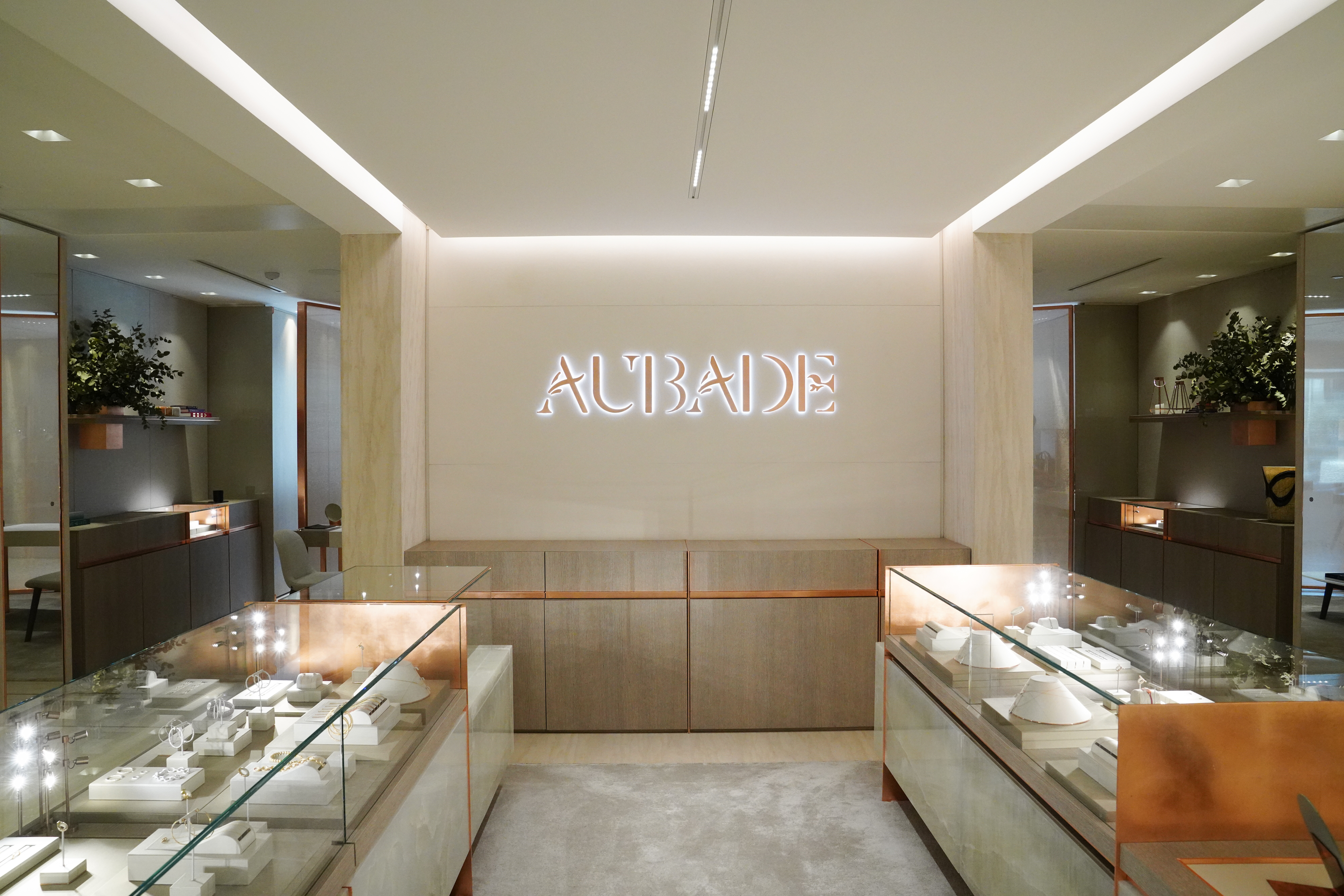
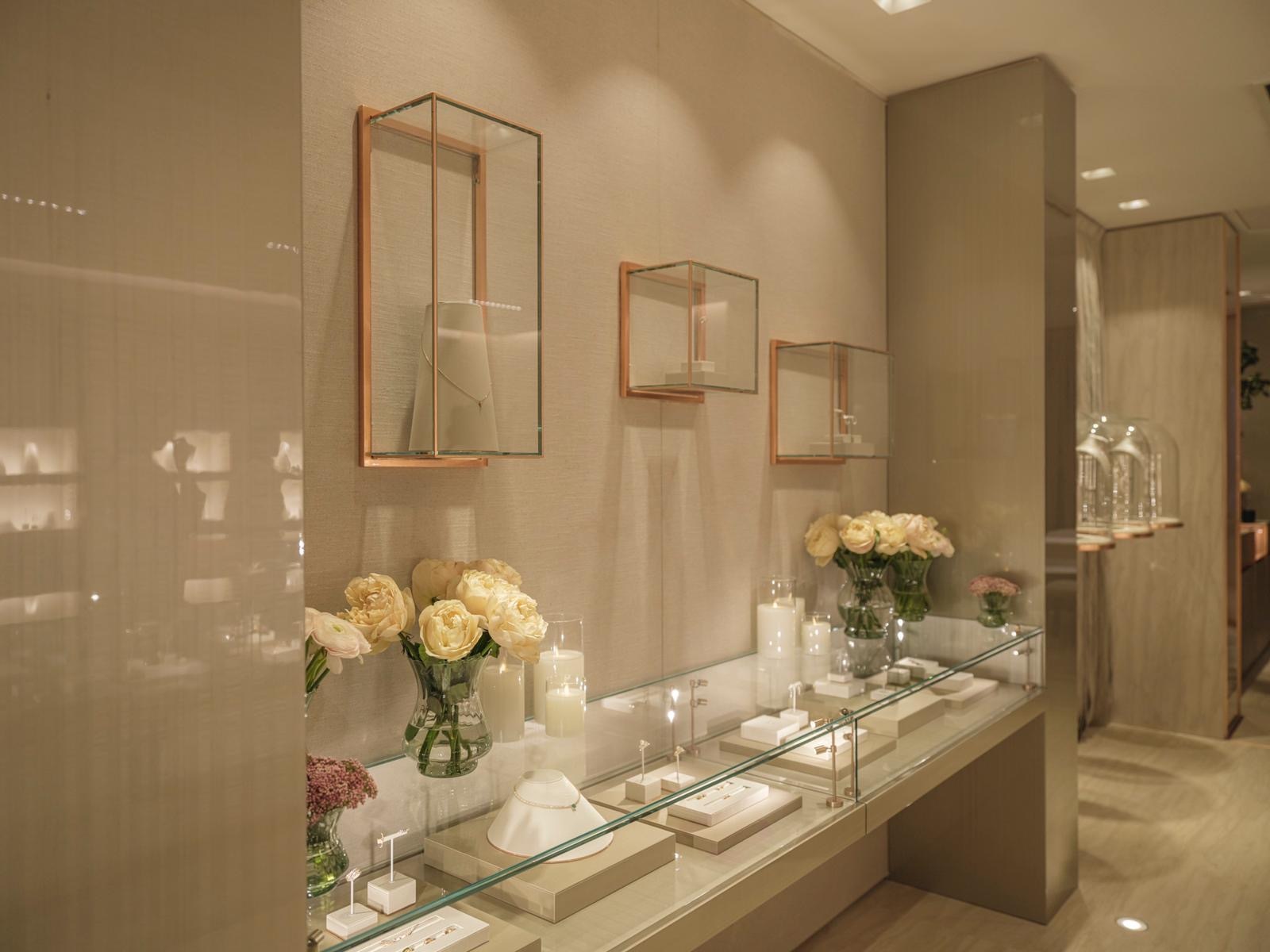
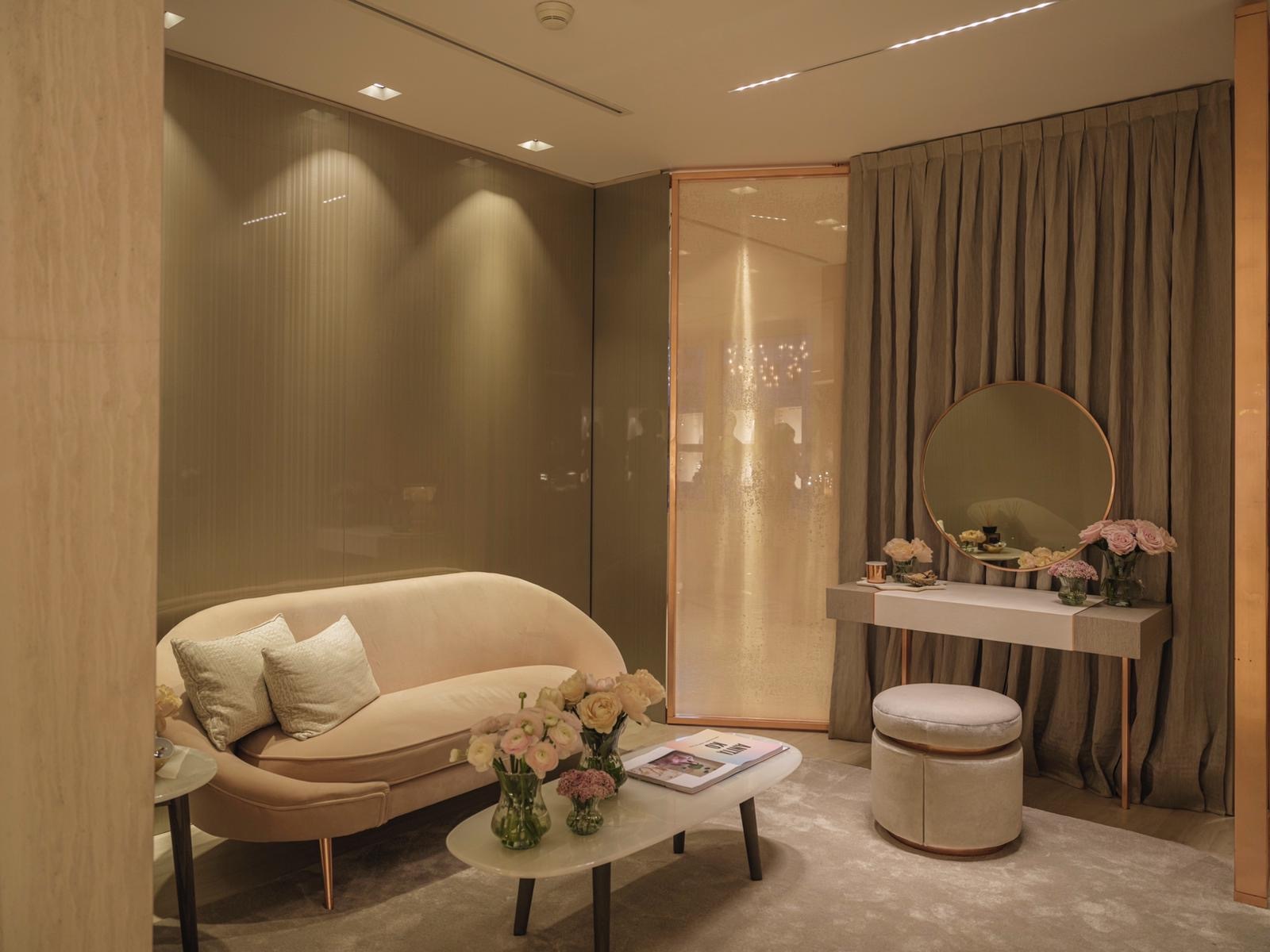
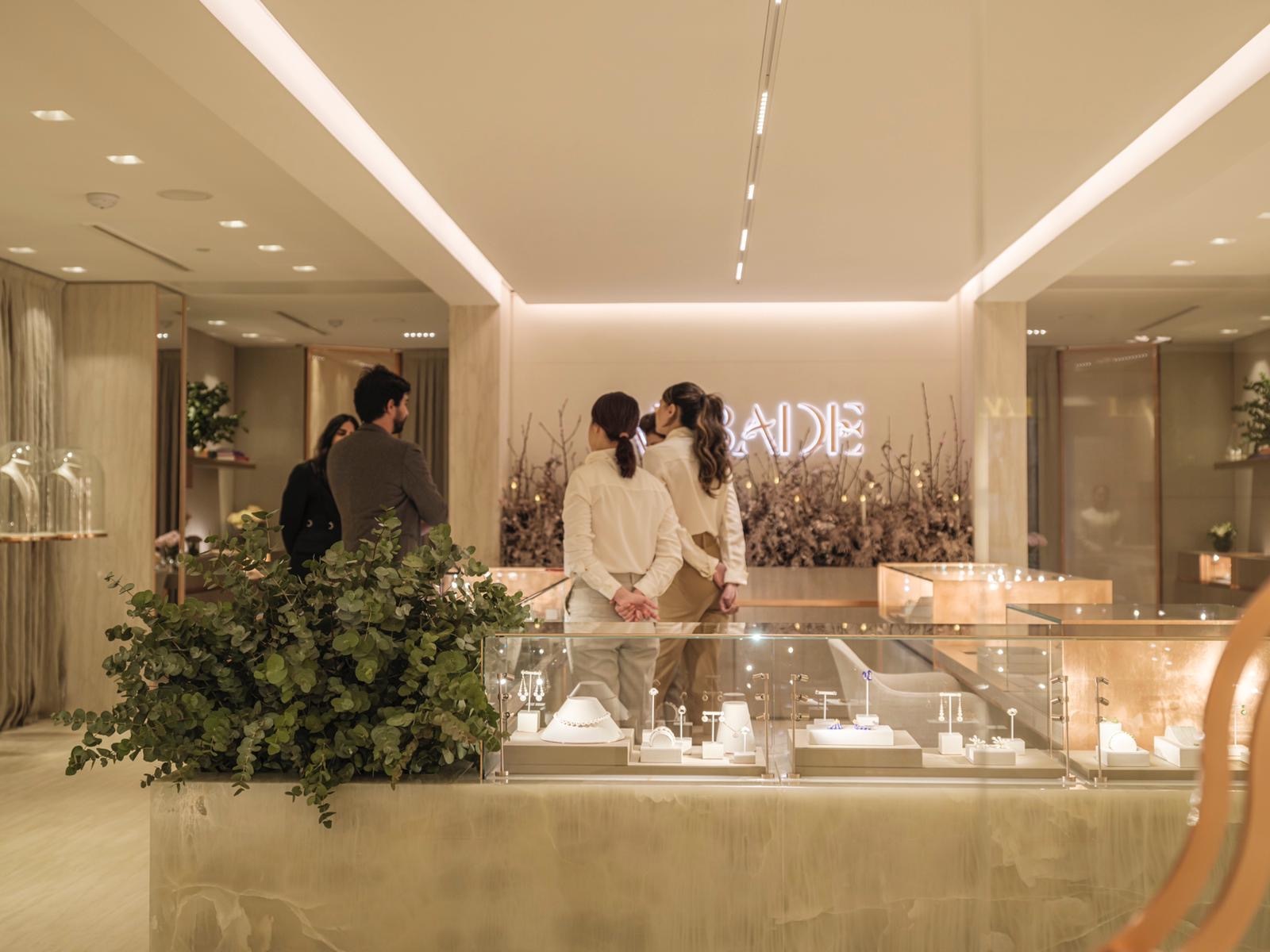
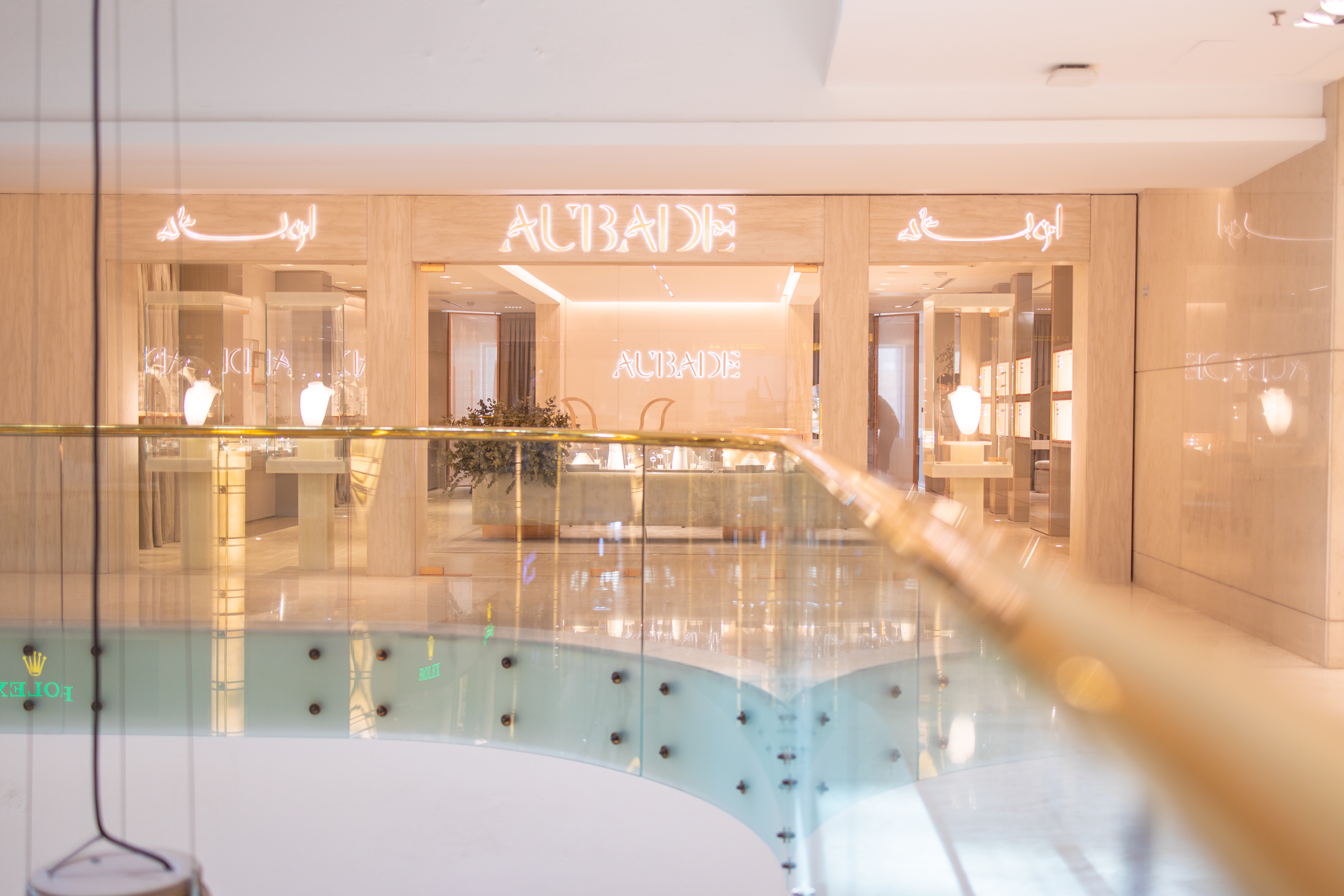
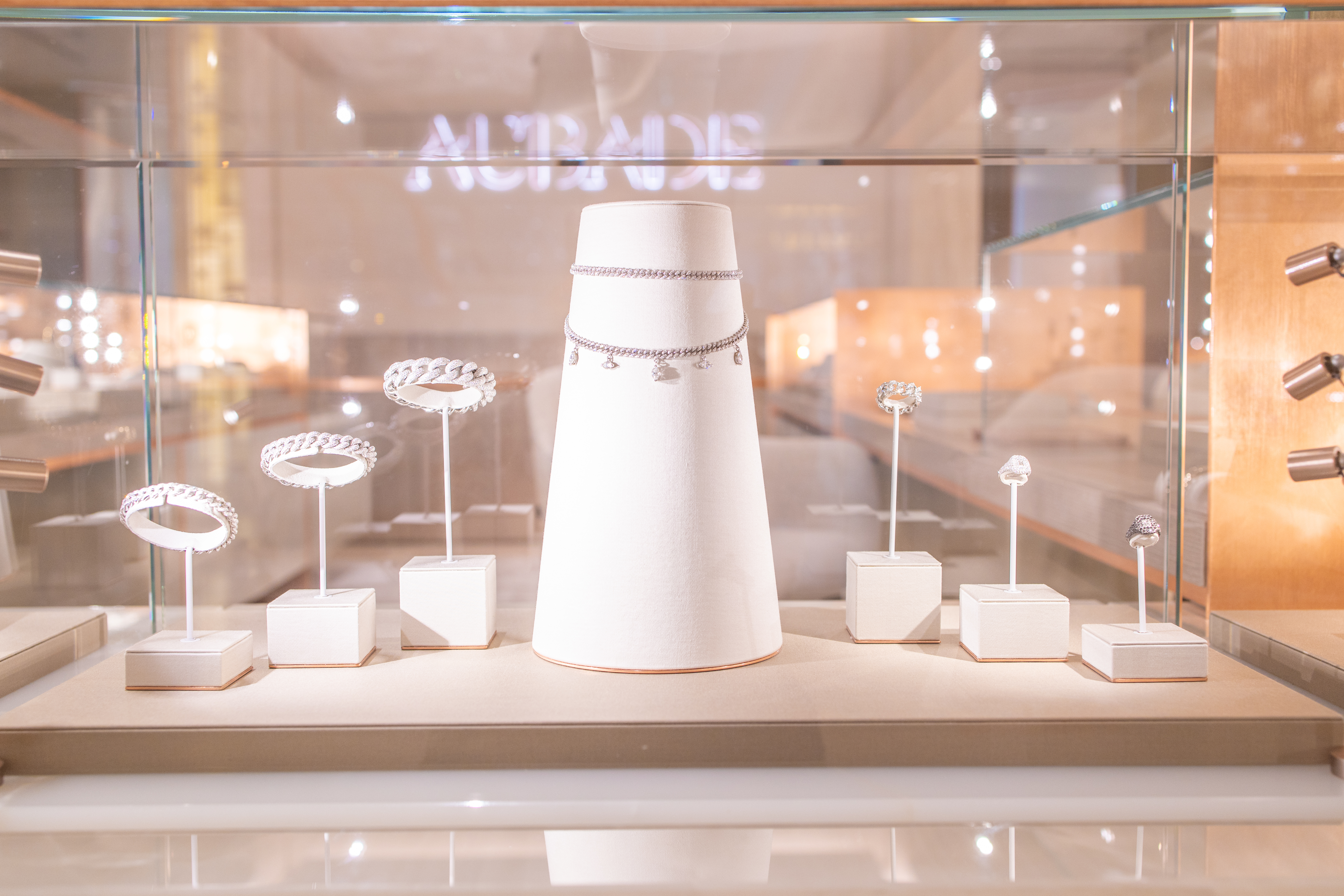
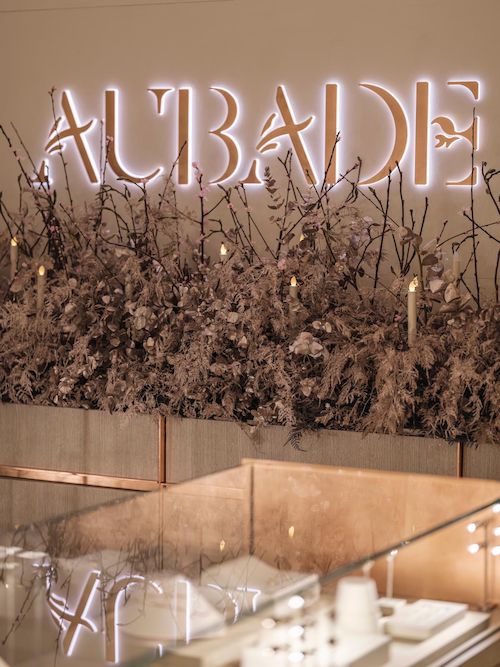
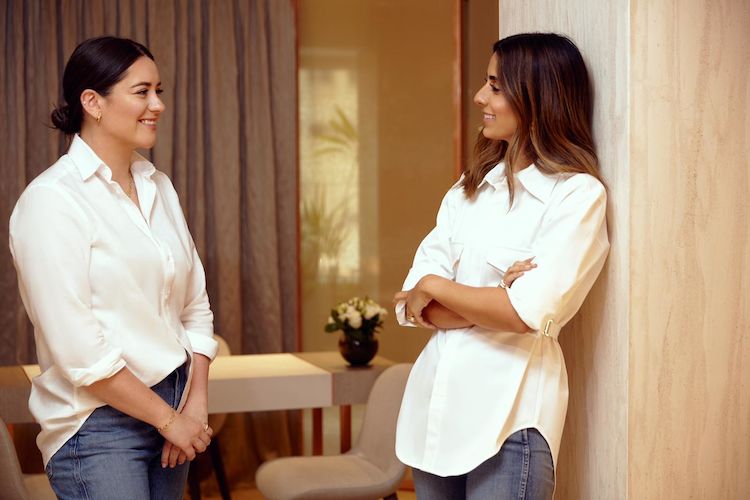
When she opened Kuwait City concept store Aubade in 2013, Duha AlRamadhan knew nothing about the jewellery industry, but a nose for business and instinctive approach to buying have made it into one of the region's best-known independent retailers. We spoke to Duha, and her Brand and Buying Director Harriet Lindsay, about lessons learnt along the way, the joy of picking up new designers and why the jewellery equivalent of loungewear is here to stay.
Duha, you launched Aubade when you were very young, and the business has gone on to be extremely successful. What is the biggest lesson you've learnt along the way?
Duha AlRamadhan: It started off as a passion project. The idea was to bring brands together that you couldn't find in Kuwait. It was a very big brand-oriented the market here, everyone was buying names like Cartier and Van Cleef. The things that I love to wear and shop for just weren't available, and I figured we needed a platform to sell what I couldn't find in Kuwait.
It was a huge learning curve, because it was something I loved. I didn't know anything about the technical side of jewellery or the different golds, I hadn't even done a feasibility study. I understood diamonds could be different colours and qualities, even some of the stone names - I remember doing one of my first buys, and saying: "I like that navy blue stone," and she said, "that's called lapis." But that naivety became an asset as I was building a business from the perspective of a client.
It went into it with a much younger mindset, and I can remember thinking, I'll give it a try and we'll see how it fits over time. There was a lot to do in terms of educating the market, people were asking, "what are these brands from and why are you selling them for these prices?" and I said, "first of all, I'm not selling them for these prices. These are the prices they retail at." It's not just about choosing products that I find fun or different, but listening to what the market is into and it's rapidly evolving. When I look at pictures of our display cases at the opening events, the pieces look so cute and small. My personal taste has changed so much, but it's not just about showcasing pieces that I would wear, it's jewellery design I believe in. It's introducing novelty.
I might love a brand, but if it sits too closely to one that I already carry, that's not something I'd consider. It's all about being unique and standing out in-store and what I think would be good for us long term. But we put our focus and into brands that we believe will grow with the clients and their collections.
Harriet Lindsay: If the passion was ever lost for this, then the whole thing would just go flat. In terms of lessons learnt, that's important, you have to choose something you believe in, you love, you understand.
"It's all about being unique and standing out in-store"
Aubade is renowned for hosting some of the world's most exciting jewellers. What are your key considerations when you buy?
HL: Our first question is, do I want it personally? The second question is, can I imagine the woman who is going to wear this piece? She could be anywhere from Instagram to someone walking down the street. There's an organic gut reaction to seeing a piece of jewellery or a collection for the first time.
In terms of price, I think about whether it's fair. Because when something is really beautifully crafted, I expect it to have a higher price point. It's not just about how many grams of gold it has, or how big the diamonds, I think there's an appreciation for the artistry. So everything merges together to form a picture of where that person wants to position themselves.
And then for us it's about how we version that in store. And sometimes those pieces don't quite fit together. Sometimes it takes a couple of years of that brand developing, sometimes it is instant.
When you're picking up new designers, how much does social media influence your buying? Or does it solely come down to design?
HL: When you haven't had any contact with a brand, social media is the first impression that you see and if it's presented beautifully it encourages us to take next steps. However if we see it and it's not quite what we were hoping for, it doesn't put us off hugely, because our job is to identify people who are emerging. So we're not looking for a perfect, finished product across the board. I think if we genuinely love a piece of jewellery, then it takes quite a lot to put us off in a way, because you start to feel passionate about it. You start to feel excited, you see the potential for something.
I'm not going to say it doesn't have an impact, because at the end of the day, brand awareness does translate to sales. So if someone has a healthy social media following, it's easier to have it in-store for the brand recognition, but I would never say that social media dictates what we do.
DAR: Thinking of all the brands that we sell in store, I cannot name one that I did not come across on Instagram first. We go to showrooms, I used to pick up a lot of brands while travelling. But I think Instagram is one of the biggest platforms for discovering new designers now. We took one brand on a year after opening when she had just under 300 followers on Instagram, and she's on 500K now. So it really doesn't matter, it just takes that one piece that we can be drawn to. I think the bigger part that Instagram plays is aesthetic, you start to see trends emerging.
"I think if we genuinely love a piece of jewellery,
then it takes quite a lot to put us off in a way,
because you start to feel passionate about it.
You start to feel excited, you see the potential for something."
So would you say you're more excited by picking up a new, undiscovered designer, or somebody who is established who's design you fall in love with?
DAR: I get more excited about emerging designers to be honest, I almost get a high from discovering someone new, I go down this rabbit hole and I start looking at their collections - it's a really exciting phase. If there's something I see a lot and I admire, it might be beautiful but I've seen it so many times before.
HL: Our job is to curate and present jewellery from around the world and we don't want to just have stuff that everyone has seen before. It's exciting when we post something and everyone is like, "Oh my god. I've never seen anything like it. I love it so much."
Sometimes the larger retailers can put unreasonable demands on young designers, but you guys are flexible and understanding with them. How much of a role does your relationship with the brand effect the success of the brand in the store?
DAR: If you look at our top performing brands in store, it's all the flexible designers that have been easy to work with, that have been supportive. If things don't move, we've been able to swap them out, maybe they've supported us with consignment. I think that relationship of giving back and forth really shows in that brand's performance.
We're not a huge team and we're not a huge company. We have a small business attitude, and can really relate to a lot of these brands who also have small teams. We never want to put anyone in a position that they're almost harming themselves in order to be in the store.
HL: We like to be really open, it's important in these relationships to have transparency and to be clear with each other about what our expectations are as a retailer, and build a relationship from that. We have made a lot of friendships out of this business, which is a wonderful way to do business, in my opinion.
Thinking about how some of the biggest stores - and some that have recently gone under - deal with their brands, there isn't that relationship. It's more about a spreadsheet.
DAR: One of the biggest things that struck me about the people who went under recently, was that they were treating buying jewellery like fashion jewellery, and I think that's a mistake. Someone made a comment to me recently, that bigger buyers will only buy newness, they won't buy from classic core collections. I was gobsmacked.
You're one of the first stores to really take hold of the trunk show model. And the pandemic has obviously hit this. How do you think the trunk show model has evolved?
DAR: We had planned a mega trunk show last year. We'd been working on it for months as the big Ramadan event. Designers were going to send us all these consignment packages for an epic Ramadan fiesta, then because of the pandemic, we had to email all our brands and tell them not to ship, and sit down and figure it out. We realised that people were still checking Instagram and shopping online. So we decided to sell the way we always have, but keep it to social media.
HL: I don't think the trunk show model that we had before is over, in fact, when things open up, and we return to normal, whatever that is, we're going to be raring to go with exciting events, because I think everyone is going to be so up for it. I can't wait to be having people to Kuwait and across the Middle East. Suddenly we're going to appreciate how amazing it is that we get to meet up with people from all over the world.
When Covid hit, we took a deep breath, we adjusted, but we carried on with the same ethos and that's been really successful for us. It doesn't have to be a huge event every time, it can be just bringing a collection for a limited period of time, and giving people the opportunity to interact with that jewellery. We're approaching the trunk show model as more multifaceted, we've been doing virtual shows, guest designer appearances, group trunk shows around the same aesthetic theme. Last Ramadan it was very much centred on plain gold, for example. The future of the trunk show is very big and bright.
DAR: We push the product, use social media as a platform to communicate with clients. We started to get creative with how we shoot the jewellery, how we style the jewellery which has had great feedback - one person said it was something they looked forward to in the dark Covid days. I'm glad they enjoy it.
HL: There's no cookie cutter trunk show for us, each one is different, this whole experience has encouraged us to be braver and more confident about doing things online. So even if we do an in-store event in the future, it will have a much bigger online presence to reach worldwide.
"I think there is a misconception that
bigger is better in the Middle East"
Are there any aesthetics or styles that you don't work with? Is there anything that doesn't work in Kuwait, doesn't work with your clients?
DAR: I think there is a misconception that bigger is better in the Middle East, and I don't mean the size of diamonds, it could also be that the design is too extravagant. We're talking hand cuffs, earrings that climb up the ear in weird way and the designer saying "I sell really well in the Middle East."
Firstly, Kuwait is not similar to other countries in the Middle East, we're very fashion-forward. We're into chic dressing, we're also very westernised. The majority of our clientele will never look at that sort of thing.
HL: It's the assumption that everyone in the Middle East has the same taste. I find it quite strange when people are presenting us with these huge intricate collars they have 'designed for the Middle East'. If they looked at our our Instagram, they'd see that this is the antithesis of what we do. There's a time and a place for those pieces in some part of the region, but it's not for our store.
What I think does echo right from the top of our designer list through to the most successful price points, we don't do anything glossy. It's cleaner, style-lead, we're drawn to more minimal style designs.
What do you see as the most significant jewellery movement coming through now?
HL: When we opened, we could not sell anything unless it had a diamond in it. It didn't matter if it was almost a diamond chip, but it had to have a diamond in it, whereas now, the plain versions are flying out the door. I don't see that going anywhere in a while.
DAR: We were selling chains and coins back in 2018, and now I read 2021 trends articles today and trends chains and coins are in there. So we're also riding that wave.
We went through a phase before the plain gold mania with something that we never thought we'd introduce, which was black gold; black chromium-plated jewellery. Clients who would never even consider investing in anything that was not white, rose or yellow, are now buying black gold pieces, and we're seeing older ladies wearing it which I find to be a very edgy look. It's fascinating to see that there is this shift towards edgier jewellery.
HL: We've been through phases where everyone was buying necklaces, where everyone was buying earrings and we've never had the wrist as the central seller. I'm really interested to see if that one will actually move around, or whether the reason that ears and neck sell so well are because of Instagram and selfies are actually true because I have my doubts.
At the moment, people are looking for a sense of classic, architectural designs. I don't see people going crazy with their purchases. I think they're investing in assets. So what we do really well in my opinion is modern classics that you can buy into without feeling like you're buying something that isn't innovative or exciting in its own sense.
DAR: Also, loungewear boomed in 2020, and I think that also explains the plain gold and coin trend, it's all about comfort.
We're not selling really uncomfortable architectural ear cuffs, it's all about "can I wear it at home? Can I wear it walking out the dog?", something you can put on without thinking twice.
HL: I've seen a lot of people writing about how when this all ends it's going to be the roaring 20s, and everybody is going to be dressed up and celebrating things a lot harder. Maybe that's the future, but I can definitely see comfort carrying on until the end of this year at least.
How often do you expect a brand to bring out newness?
DAR: We don't operate on a four-season calendar, it feels too fast, especially with jewellery that's an investment.
HL: I think we can work differently because again we're not part of a multi-retailer, so we're not doing fashion. Also Christmas is not a major holiday here, and with Ramadan being mobile - it moves back about 10 days every year - we operate on our own calendar.
I think you can tell when you see someone, and they've released a collection because they had to because of this pressure of seasons. I almost appreciate an email saying, "I'm sitting this Paris out. I'll be releasing my collection once a year, and that's all you're getting."
I were a designer, I would be aiming to do one essential new launch a year, and then smaller holiday drops throughout the year. Because if you're trying to launch three whole collections a year, the quality and the quantity of the design is just not going to come together.
There's definitely room for an adjustment in the jewellery calendar, and I think a lot of people feel that way. My advice to any designer would be don't force yourself to launch huge collections, but to add a sprinkling of newness to refresh something or update it.
The other thing is, a trend in jewellery lasts a lot longer than a trend in clothes. If something is the best seller for us, it's the best seller for a long time. There's no rush.
"Whatever you're designing, there
should be a timeless element to it."
In your experience, what do you believe is the key to a brand remaining relevant, desirable and successful?
DAR: We do see some one-hit wonders. I don't want a brand to be generic, but equally, it shouldn't be too specific in aesthetic and style, especially something that might be trendy. You should always have a core collection that will remain timeless and classic regardless of seasonal changes, and be able to buy a piece that you know you will have with you for years.
HL: I think it's about remaining true to yourself, trusting your gut rather than designing for someone that you don't want to design for. Don't accommodate too much, don't compromise, don't try to please everyone. I think having integrity about it being yours is important.
DAR: Whatever you're designing, there should be a timeless element to it.
HL: It's interesting to see which pieces become modern classics. Some really beautiful pieces fall by the wayside over the years. We can walk through the store now and say, that's classic Anita Ko, that's classic Lizzie Mandler, and it's great to watch designers create their classics, and then be inspired to do extensions of that in a different area.
DAR: And I think having a signature piece is important. You'll always recognise a Spinelli ring, for example, and I think that was a very smart design decision to do something so iconic and immediately recognisable.
Contributors
 Kate Matthams
Journalist & Editorial Consultant+ MORE FROM Kate Aubade