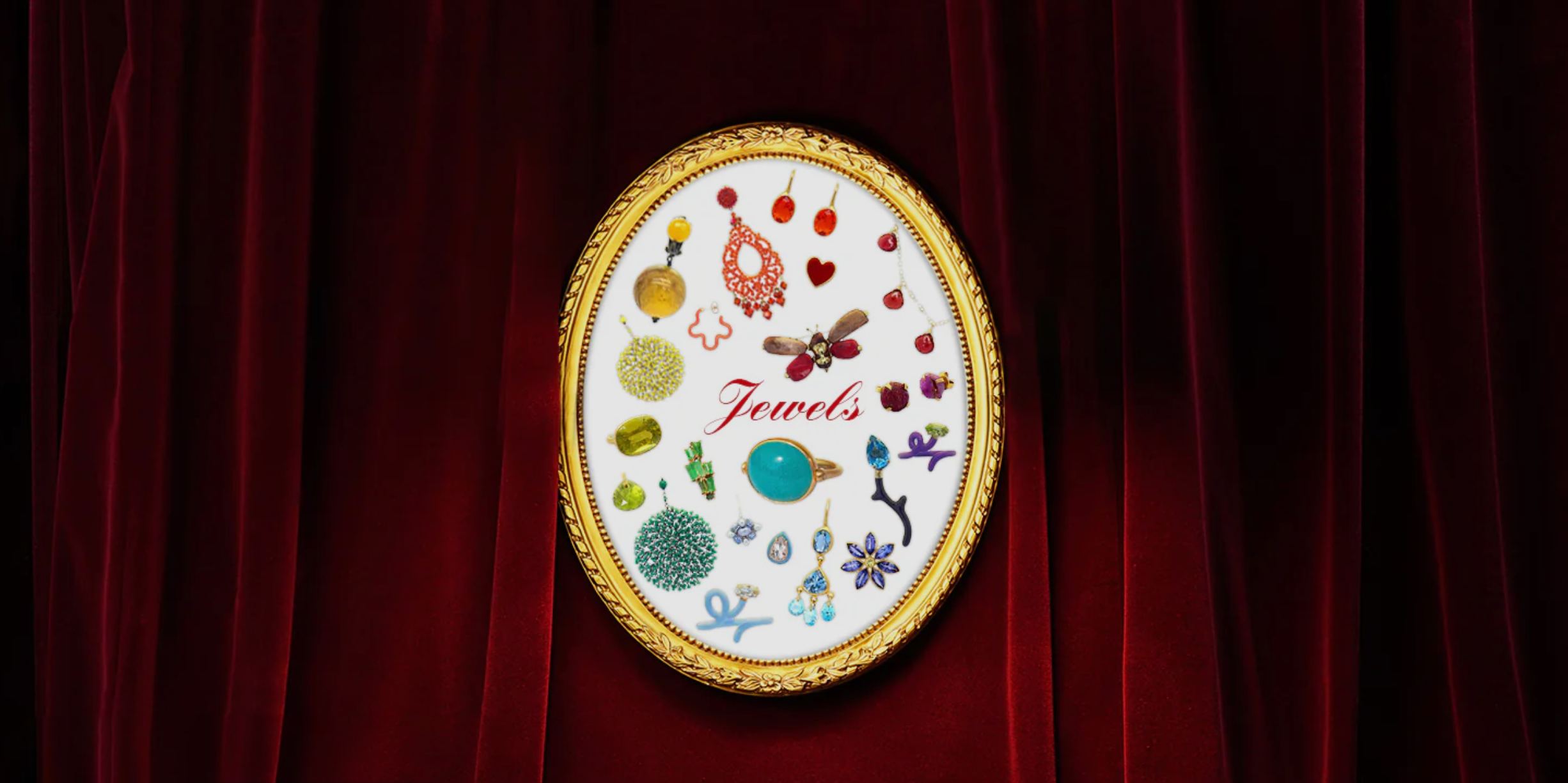
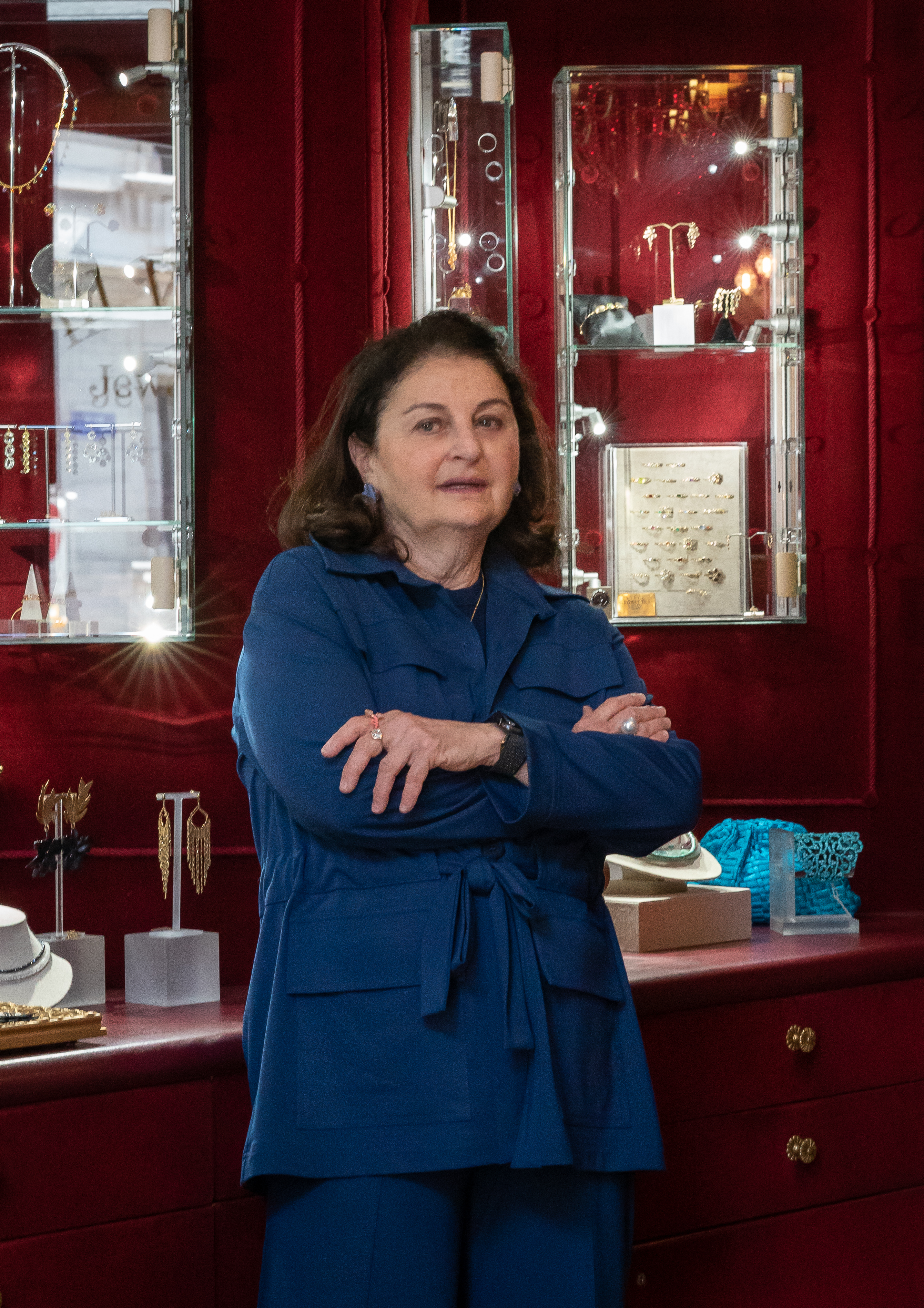
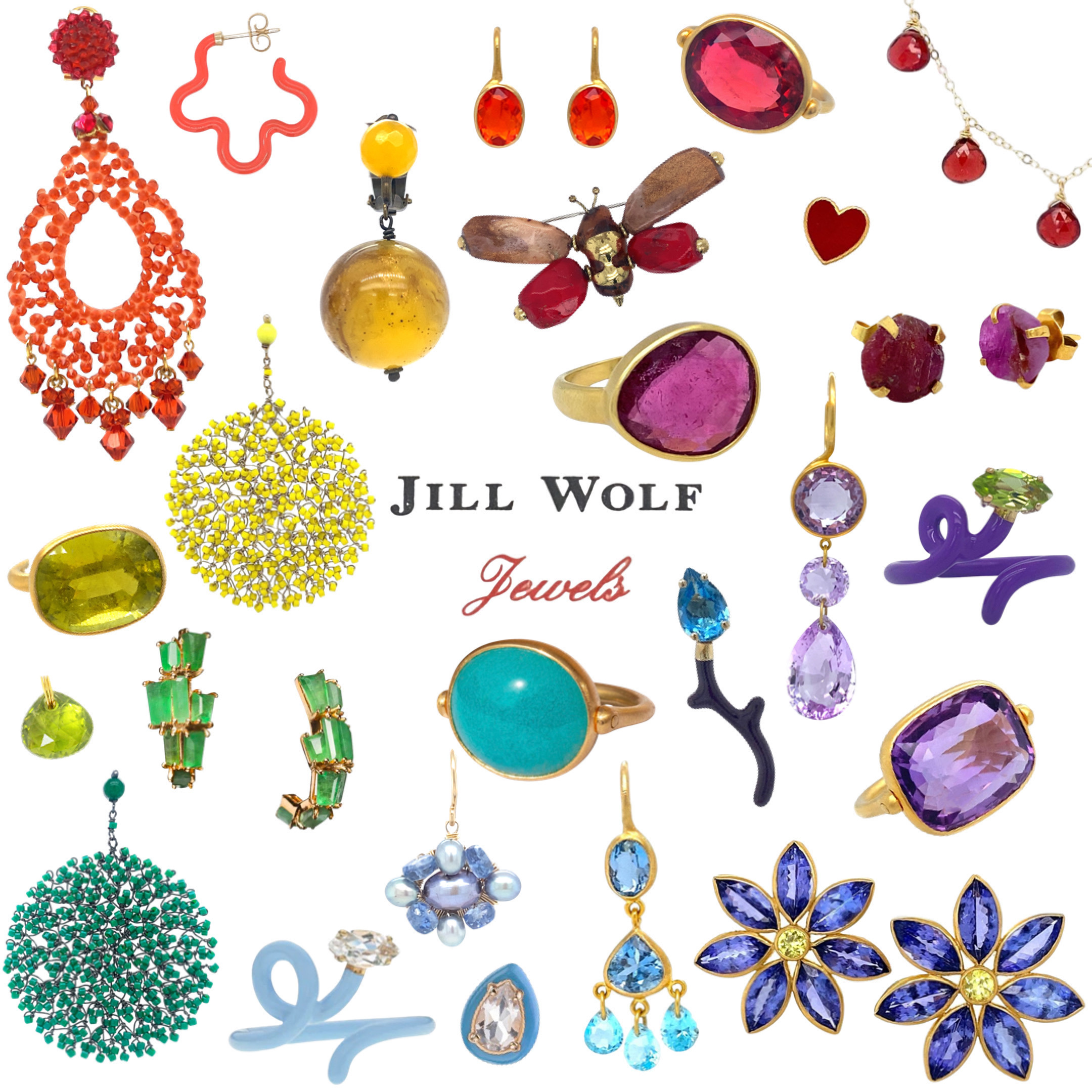
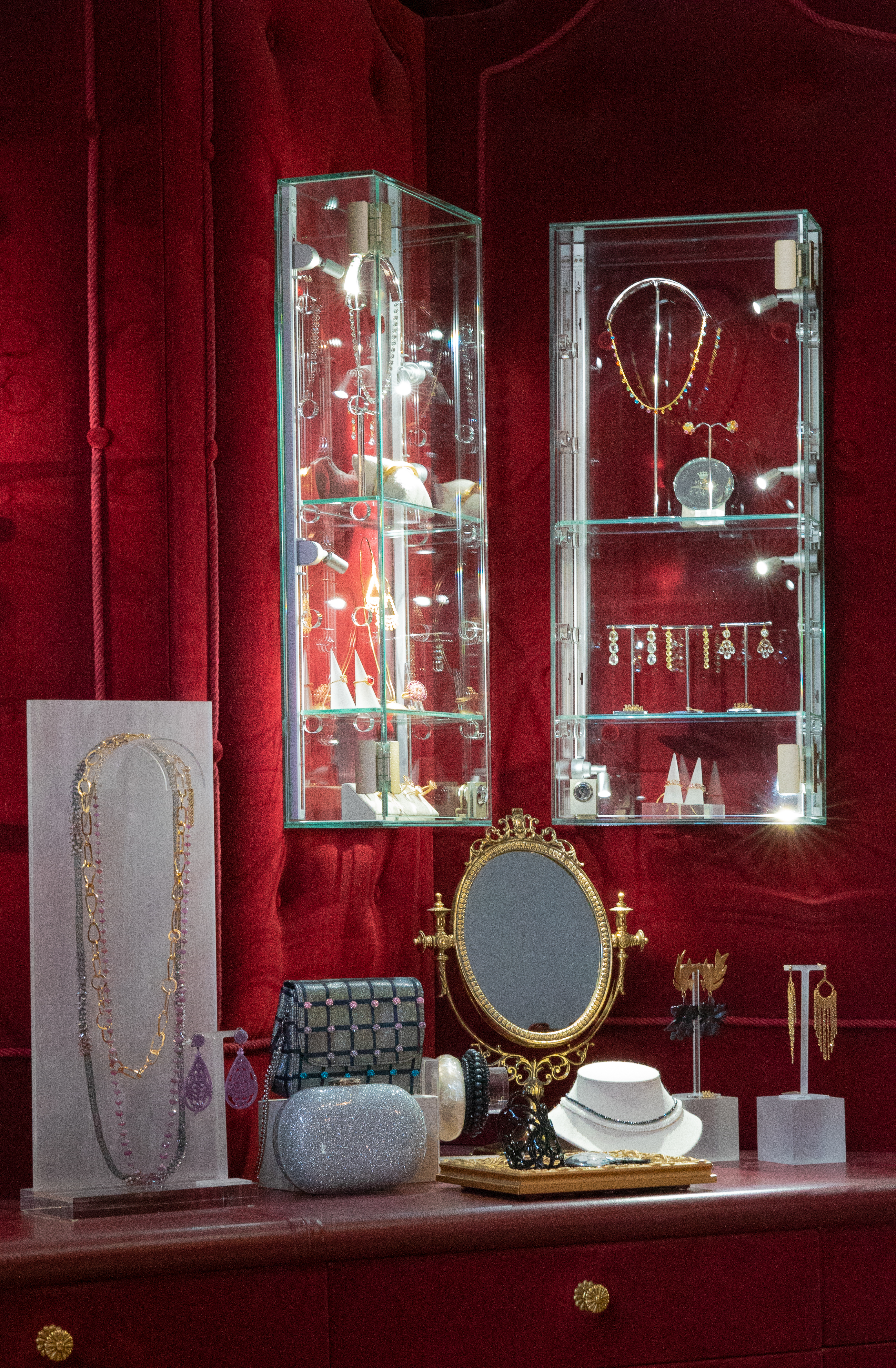
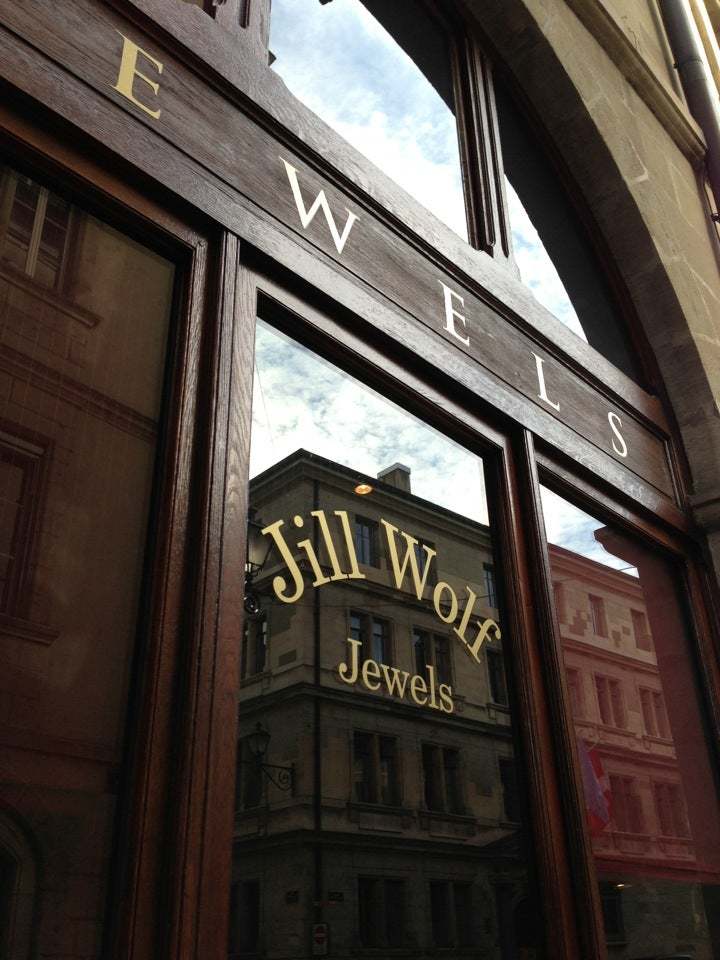
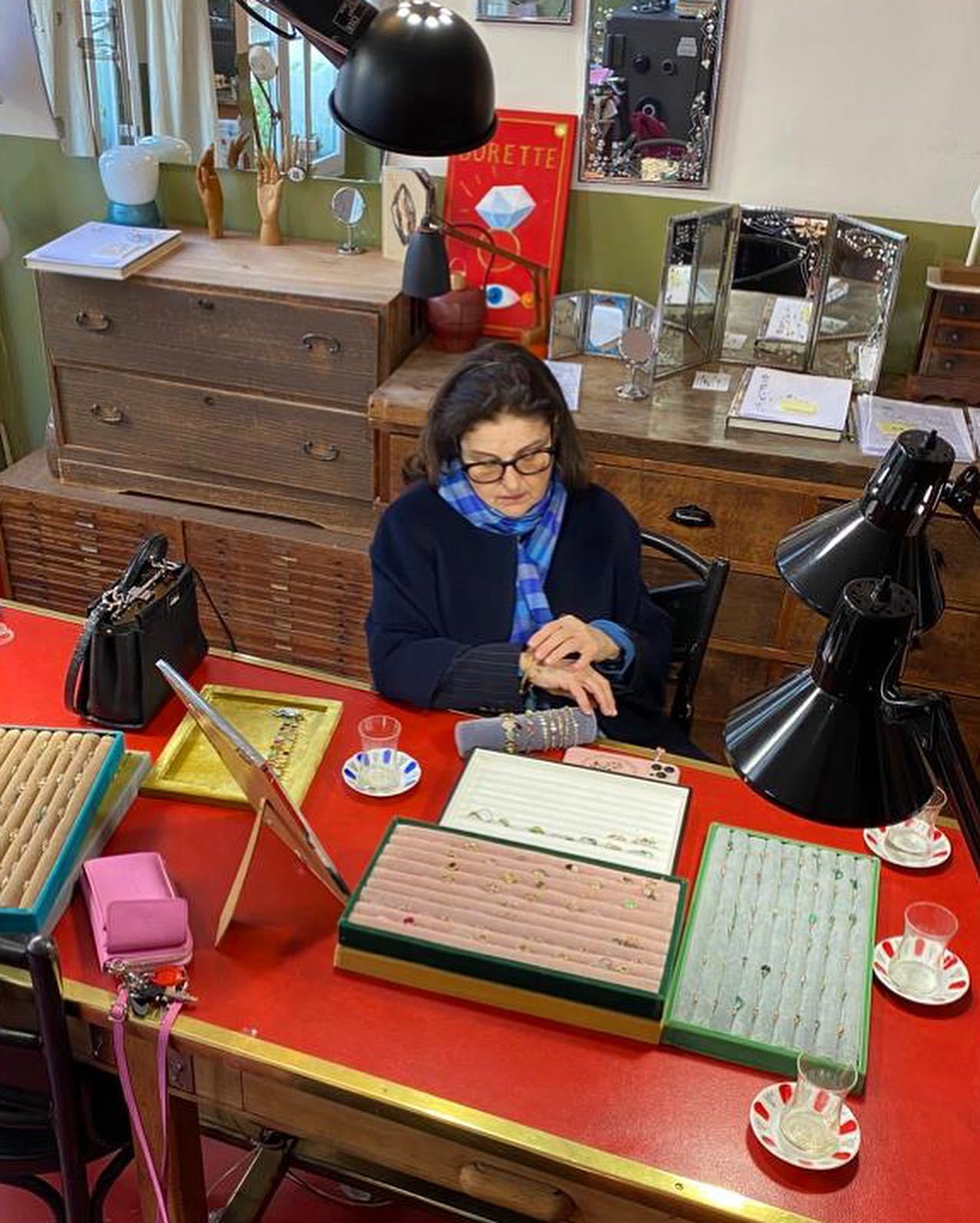
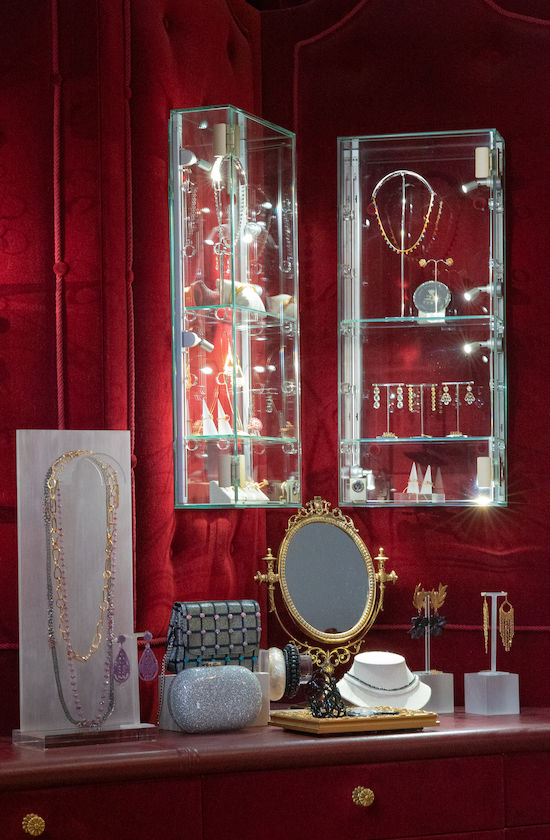
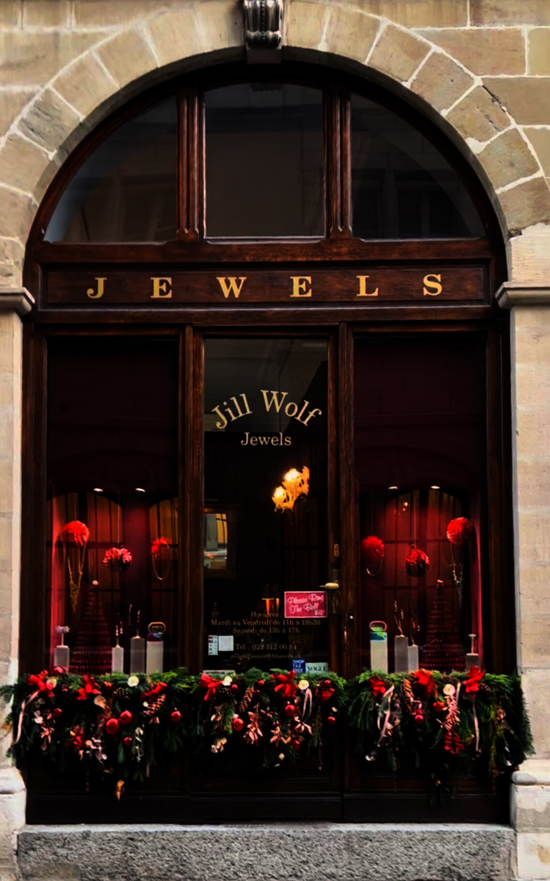
Jill Wolf Jewels sits at 39 Grand Rue, a cobbled street in the heart of Geneva’s Old Town in a neighbourhood more often associated with art galleries than expertly curated boutiques. When she opened 20 years ago, Jill was at the vanguard of an explosion in independent jewellery design, introducing under-the-radar jewellers that oozed originality to the populous Swiss city. “Our premise was to show young designer jewellery in a setting somewhere between the shop and the gallery, exhibiting jewels as art objects,” she says. Today, her selection includes costume jewellery such as the Spanish brand Dublos; the demi-fine brand Rue Belle and designer fine jewellers including Marie Helene de Taillac, Pippa Small, Ileana Makri, Yannis Sergakis, Nak Armstrong and Sia Taylor.
Tell me about your selection and what drives Jill Wolf Jewels?
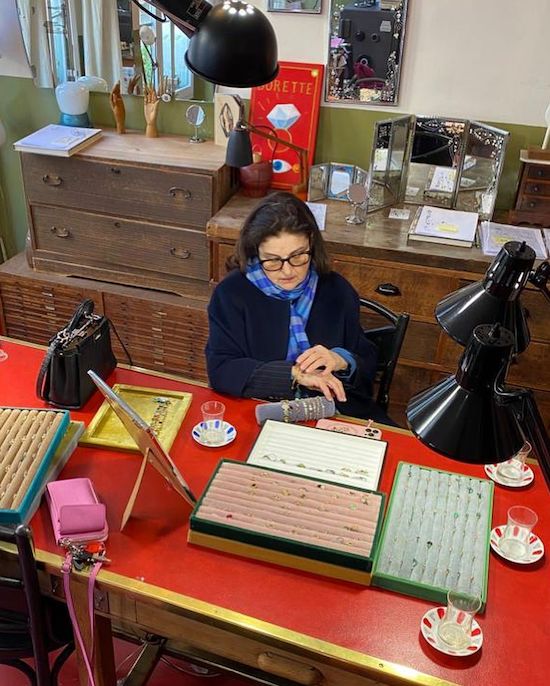
To us, materials are not always important. Rather, we believe in originality and design with an emphasis on exclusivity. I am also involved in curating my own collection of vintage pieces that covers all periods of jewellery from the Middle Ages right through to the 1980s.
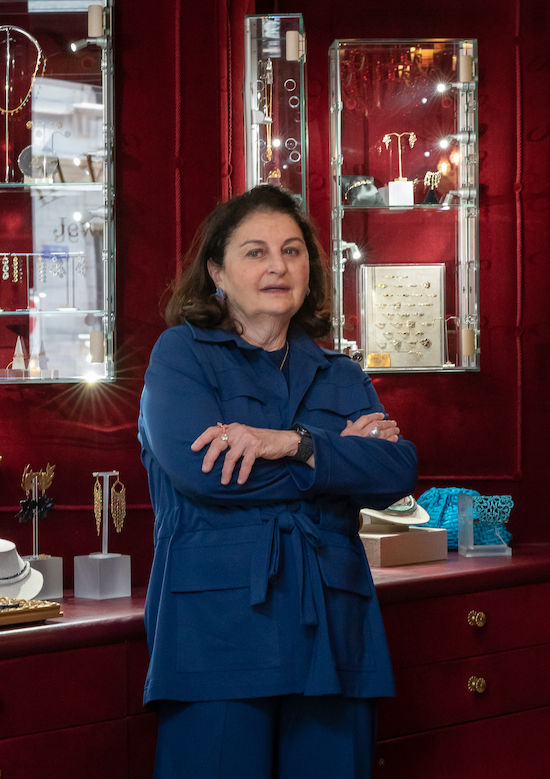
As a retailer, what do you look to promote through your platform, what is your ethos?
We are fortunate that all our designers are so original that our clients can easily recognise them. Most have a very strong ethical or creative approach to their collections and are in a realm of their own. Our new online platform is now up and running, but we pride ourselves on our unique after-sale service. We offer free repairs for the life of a client’s jewels, and we also offer a one-on-one service, in which closing the shop for special private appointments is possible.
What impact has the last few years had on you as a retailer?
We were extremely lucky. We continued to work with our clients on a one-to-one basis. This enabled us to be open all the time.
What have you done to adapt to the changing times?
We found that more private viewing and selling, updating our website, and working more with social media has made a huge difference and we’ve seen positive responses from these changes too, which is great.
With shoppers now given more choice than ever online, what are you doing to stay relevant?
We are working on our website — I think a lot of people have identified that the shift to online is becoming more and more necessary. Though [just like the UK] as we are not in the EU, it is difficult to sell online outside of Switzerland. Apart from the shift to online, a strong relationship with our clients is also very important to us. We have also chosen to give a more exclusive service and are planning events that are original and interesting for our clients.
What drove you to becoming associated with NouvelleBox?
The strong sense of community which we find within NouvelleBox, for sure. Any platform that can help us with buying, selling, and communicating between all of us in the jewellery world is welcome.
Why do you think community is so important within the jewellery industry?
It is nice to all work together and build a community where we can all benefit, from advice, sales ideas, new designers, novelty, upcoming events and shows. It makes it a much easier enjoyable space to work in.
How do you promote and market your selection of designers?
For the most part, we leave the marketing to the designer themselves, we are usually on the designer’s stockists list and often exclusive to them in Switzerland. In the past, we have had private event trunk shows where the clients meet the designer over an exclusive dinner or lunch party. We do not advertise. Instead, word-of-mouth has always been our way of doing business.
How do you go about finding new up-and-coming designers?
To be honest, not travelling this year has made it impossible to see and meet new designers, visit shows or showrooms. I like to see what my competitors are doing, and whom they select. Sometimes it inspires me. Looking at fashion magazines is also a source of inspiration. I never take any “walk-ins” I must be the one to find the designers and not the other way around.
What do you look for in a designer before taking them on?
The number one requirement is 100% originality, but collections must also be wearable. I also think that price points are important as I come from high jewellery and know what I can buy at auction or on the secondary market. If a piece is exceptional, I don’t mind paying, but today’s clients are also surfing the Internet and are very conscious of the value of the jewellery that they are purchasing.
How important is sustainability in your business?
Pippa Small has been a great influence on me and my clients. She was one of the first designers to combine jewellery and sustainability, so I was very lucky to learn about it early on. Also being involved with Human Rights Watch, the organisation that promotes justice and change has also given me the guidelines to understand what it means to be sustainable and ethical. It is not for everybody. But increasingly clients are asking about sources and conditions of how the jewellery is made or sourced and it’s important for me that I am able to give them the correct answers.
How do you think the jewellery industry as a whole has been able to deal with the last few years? Is now the time for the industry to become more adaptable and nimble?
I’m not too sure, as there are many areas which will stay the same, especially in the super-brands sphere. In my area, many designers took the time to reflect and create and have come back more serene which is great. However, speaking from a price point point-of-view, I’ve seen many increases in prices.
From physical shopping to trunk shows, and now online, where do you see the jewellery industry heading next?
Jewellery is going to be one of the strongest sectors in retail and of course the internet is essential to its growth. Jewellery is now an essential accessory and is no longer the “go to” gift for important events; women are buying what they want, for themselves to match their lifestyles or outfits.
More online retail platforms such as Net-A-Porter and Farfetch will be created. There will also be an increase in vintage or secondhand jewellery internet sites such as Vestiaire Collective and The Real Real. Brick and mortar shops will still be relevant but without an interactive website it will become harder to be competitive.
Increasingly, super-brands are taking their cue from designer jewellers, giving special attention to sustainability issues. For example, we have brands like DeBeers are using designers to create collections that they would have never dreamed possible to sell. Others are using a wider variety of materials like aluminium or resin to counter the increase in gold prices. Precious stones in crazy colours are selling better than traditional stones, and one-of a-kind jewellery has become important. As we learn to mix clothes, so we will do the same with jewellery. You will see more and more mixing of styles, materials and categories, and there will be less rules. Hopefully there will be more brands made with men in mind, there is a big lacuna in this area. We are seeing men on the red carpet with brooches, large diamond necklaces, maybe this will inspire designers to make pieces for the everyday man.
Contributors
 Darren Hildrow
Entrepreneur & Business Strategist+ MORE FROM Darren Jill Wolf