
Gold prices could hit $3,000 an ounce by the end of 2025, Goldman Sachs reported late 2024. If this hike directly impacts production costs, it’s also an opportunity for jewelers to show extra creativity.
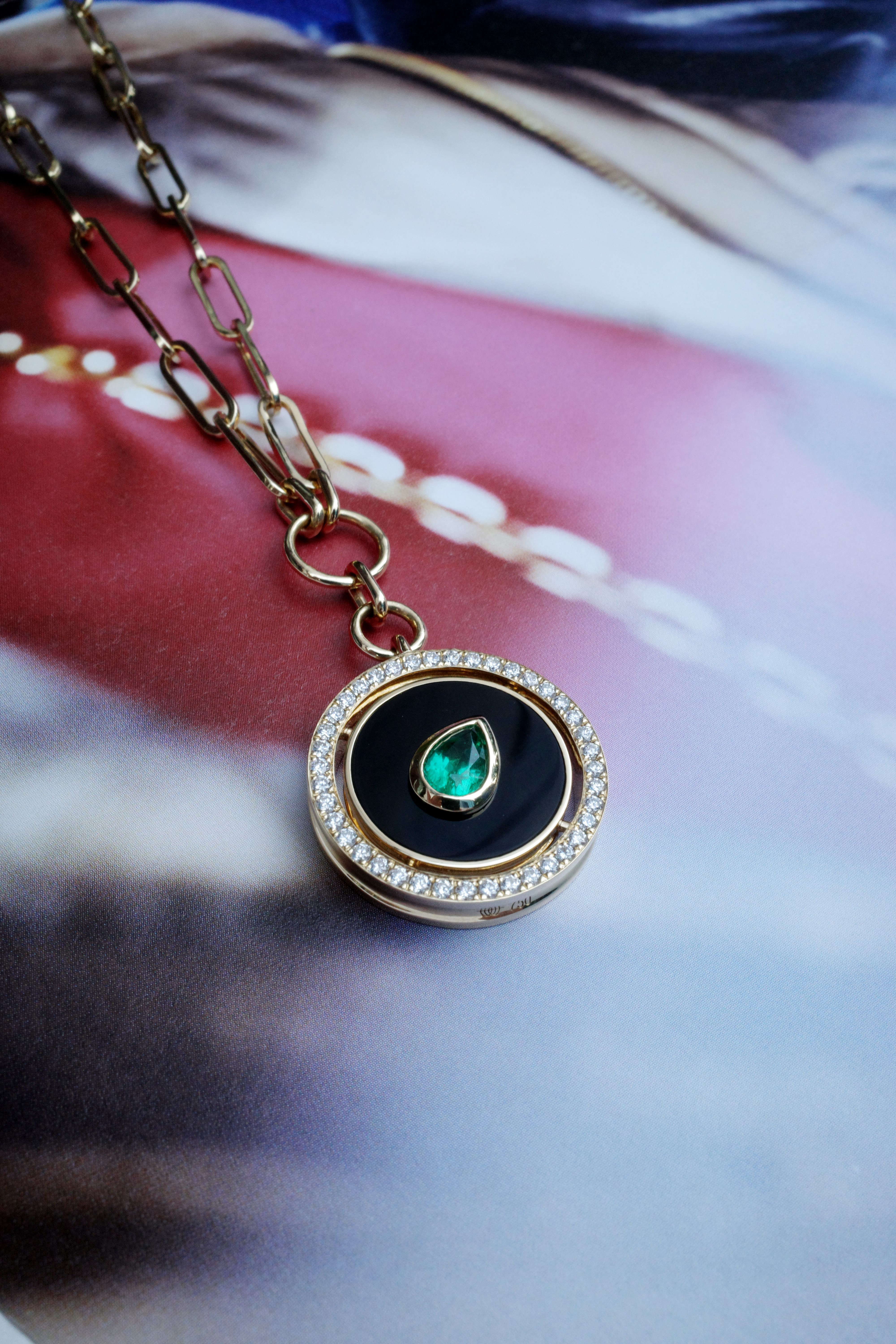
Istanbul-based Deniz Ince, the CEO of Kismet By Milka, says the company “leans heavily on creative design innovations to guarantee that the perceived value of our pieces exceeds any cost adjustments. This way, we can remain competitive without compromising our quality of production.” The brand sells founder and creative director Milka Karaağaçlı’s sleek 18-karat gold pieces in the US, Europe, and the Emirates.
Ince highlights savvy inventory management as a way to survive in the face of fluctuating costs, especially for precious metals like gold. “Having a well-thought-out strategy in place to balance supply, demand, and pricing is essential to the success of any retailers or jewelers,” he says.
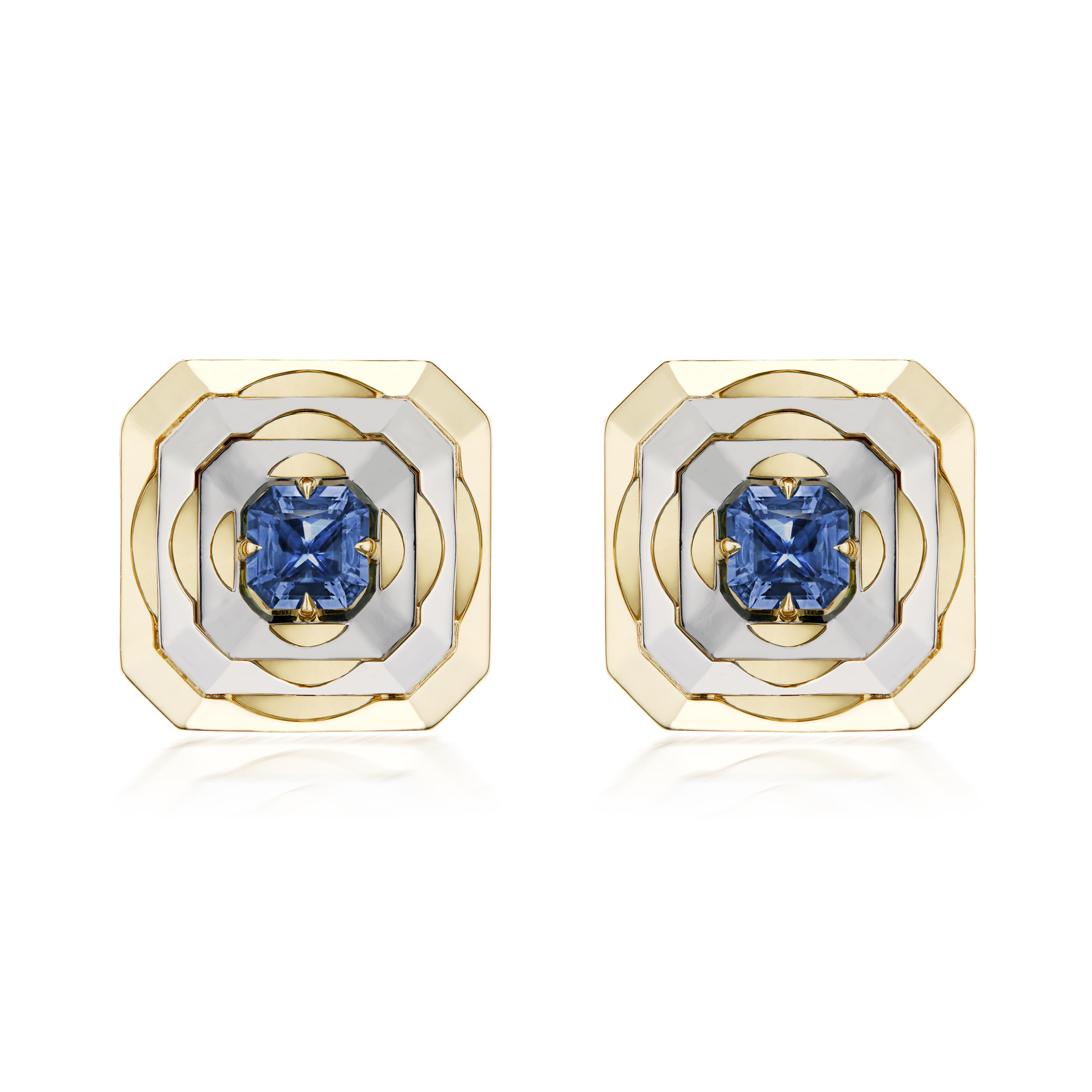
Perle Adler, the founder of Macadam in New York City, notes that designers had to decide when it became unsustainable to keep the prices constant and there was no other choice than passing some of the increasing costs on to the collectors. “For a while, we decided to absorb the difference incurred by rising production costs, but we have had to adjust some prices for some of the most metal-intensive pieces,” she says.
Many brands redesigned existing pieces to create thinner and lighter models. Adler says Macadam didn’t go down that route and instead focused on the product development stage “to keep creating interesting pieces that aligned with [its] design codes while being conscious of the increasing costs of production.”
Macadam has made a name for itself through architecture-inspired creations featuring stunning gemstones set in 18-karat gold.
Jewelry history teaches us that in challenging times, design can thrive, not suffer from material shortages. Created during the Second World War and its aftermath, Retro jewels played with volumes, alloys, and gems considered semi-precious and synthetics.
Alder says that imaginative designers have a chance to use hard stones or unusual metals as alternatives to gold in their fine jewelry creations. “In a way, it is quite exciting because some of the most exquisite and enduring designs were born out of a necessity to adapt,” she notes.
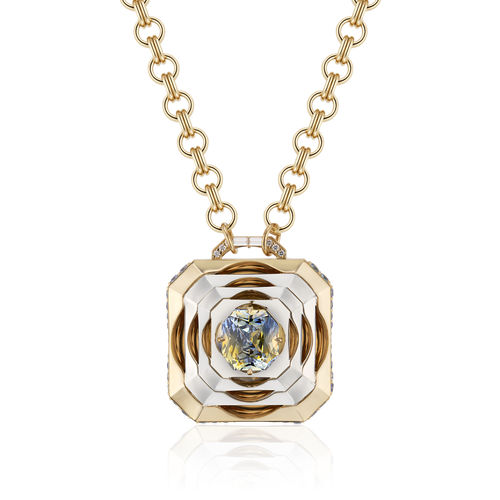
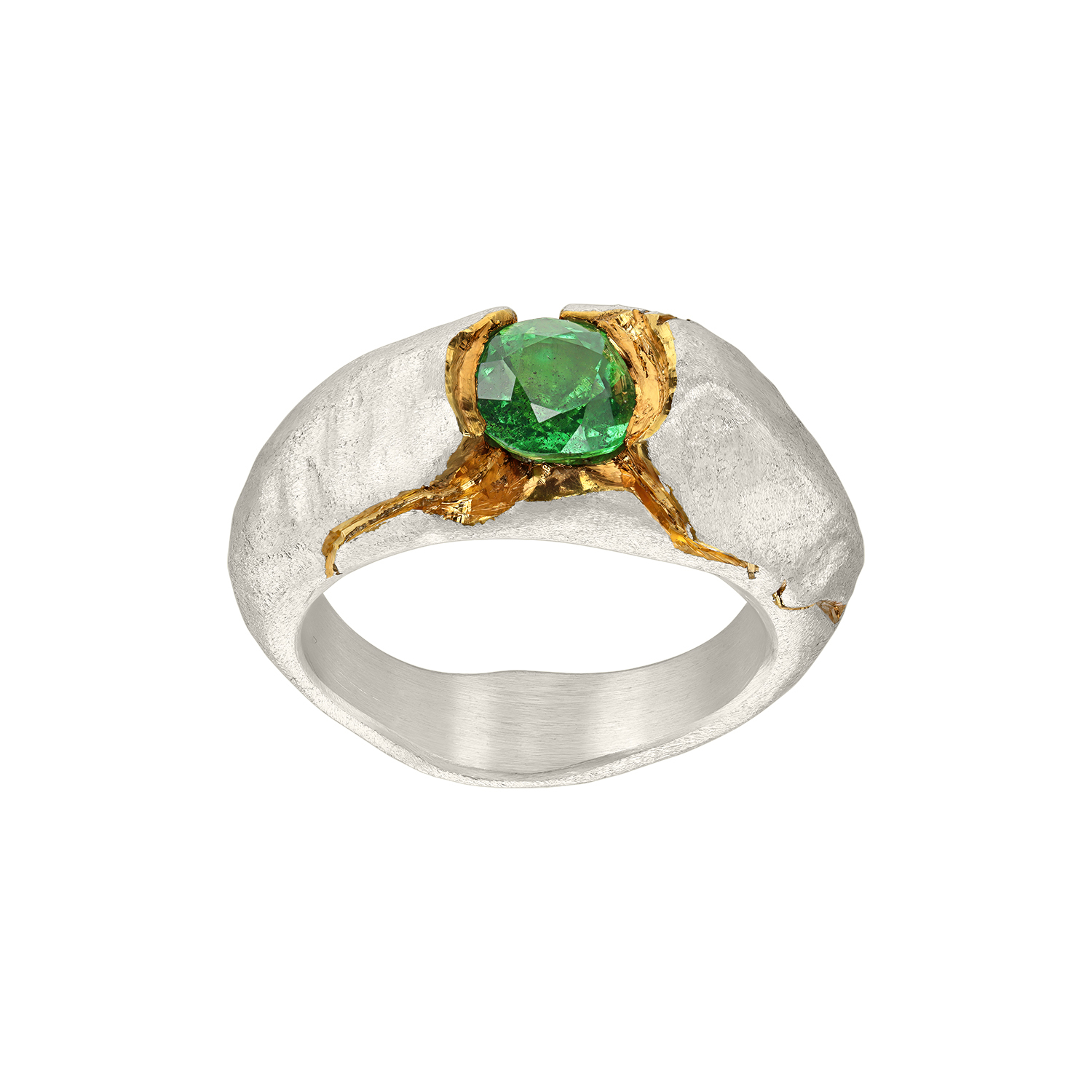
For Bucharest-based Raluca Leafu, founder and creative director of Joule Project, who mixes metals such as silver and gold in her organic-looking jewels, the gold price increase didn’t affect to the same extent. Her lines, which celebrate the energy of gemstones, are made in Vicenza, Italy, and sold in Dover Street Market, London, Tokyo, Portugal, and her studio in Romania.
Looking at the rise in gold prices from a different perspective, many see it as beneficial to jewelry perception. “To collectors, higher gold prices often increase the emotional and financial worth of their jewelry. They feel they’re investing not only in design but also in a timeless material,” Ince points out.
By the end of 2024, it was estimated that 20% of the diamond jewelry market was lab-grown sales. Designers follow one of the most debated topics within the industry, the seemingly unstoppable rise of lab-grown diamonds, with interest but not real concern.
“We’ve been keeping our ears and minds open to this debate, but I hear more about it within the industry than I do on the sales floor, which I find interesting,” points out Afzal Imram, co-founder of State Property, a Singapore-based award-winning brand present in the US and the UK. “I do see it as a topic that we would need to pay attention to in the years to come as the younger generation enters the age where they start becoming our clients,” he adds.
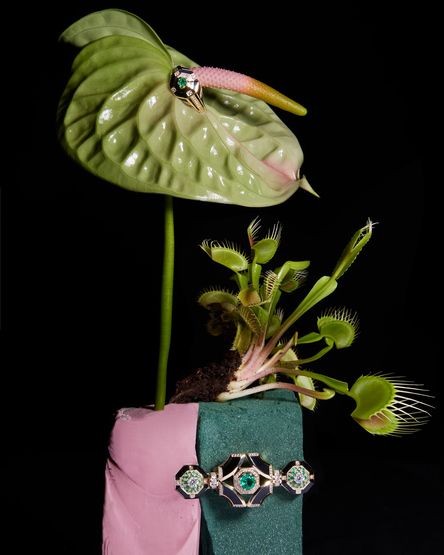
Adler, who only uses natural stones for Macadam, sees a clear segmentation in the market. “As long as companies are clear and honest in their messaging, there is a place for both [categories] to exist,” she says. “There is a consumer for everything, and I do not believe that the consumer purchasing a lab-grown diamond is the same as the one coveting natural ones.” For her, the mined stones are the best fit for her designs. “As a brand, Macadam focuses on natural diamonds because of the beauty they hold and the story they tell. If you are lucky enough to have one to marvel at, you are looking at the amazing work of nature, a work that cannot be rushed, much like the craftsmanship in all our pieces,” she explains.
Ince notices that younger buyers are attracted to the more affordable offer from lab-grown stones, but Kismet By Milka exclusively features natural stones, because “they still hold significant emotional and symbolic value for many,” he says.
For designers, relying on the power of the natural stone’s story is the strongest answer to the lab-grown narrative.
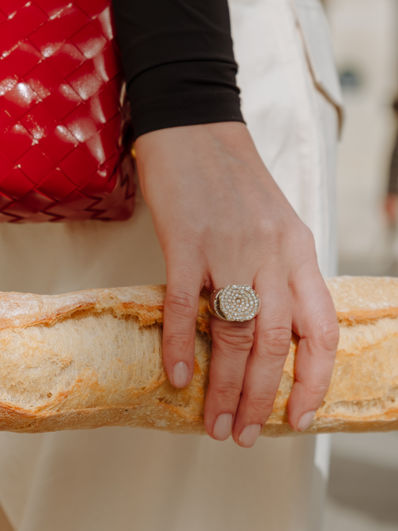
Joule Project’s Diamond Mine ring is a conversation starter. Leafu describes how potential collectors’ interest is piqued by her iconic design. “It is a chunky ring. If you look above, you see an open pit full of diamonds. When I start telling the story, it’s interesting to see how people are into it.” The designer only uses natural stones. “My brand is built around energy. And when I sell a ring with diamonds, it's nice to tell the story of the diamonds. That’s why I prefer to work with natural stones.”
Of equal importance to what gems and metals are used in jewelry is the shift towards experiential retail, which Ince considers one of the biggest challenges for independent jewelers today. “ Customers are no longer satisfied with just buying a product — they want an experience, a story, or something unique. This is particularly true for luxury buyers. To remain competitive, jewelers will have to find ways to create meaningful customer interactions, whether online or in-store,” he says.
Contributors
 Sonia Esther Soltani
Editor, Writer and Content Strategist+ MORE FROM Sonia