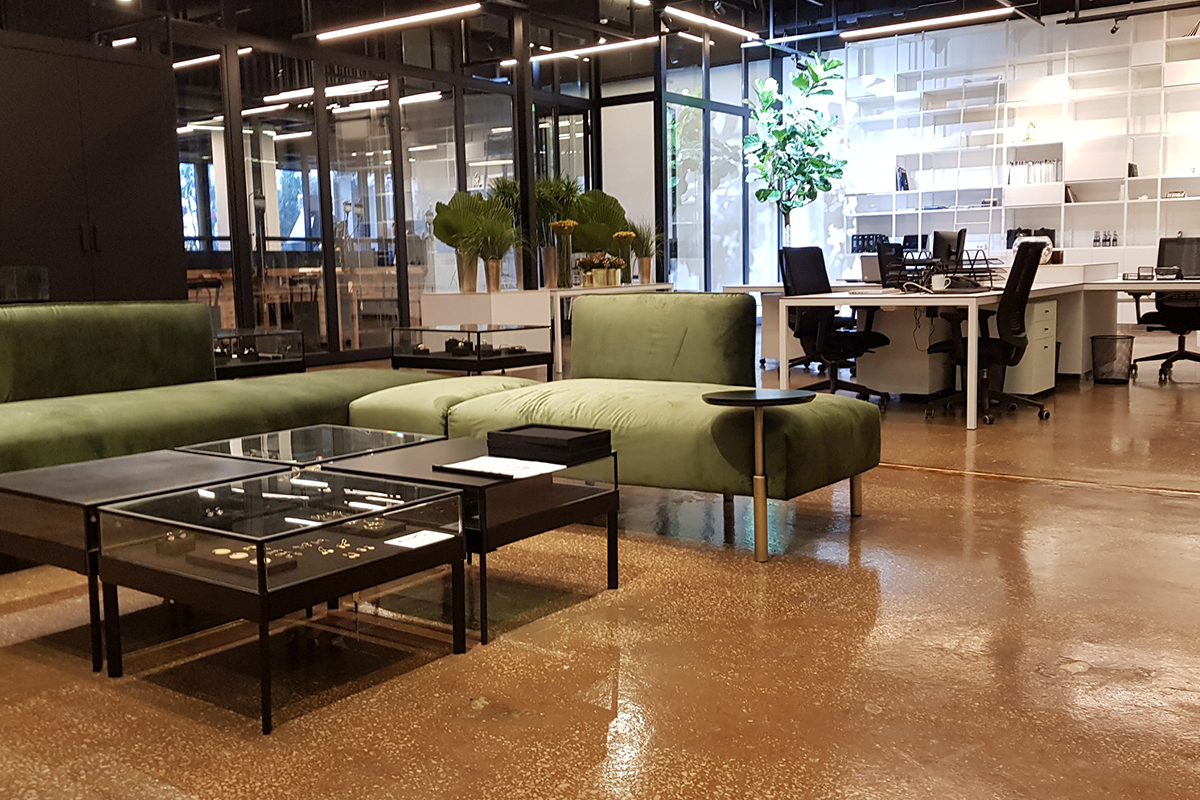
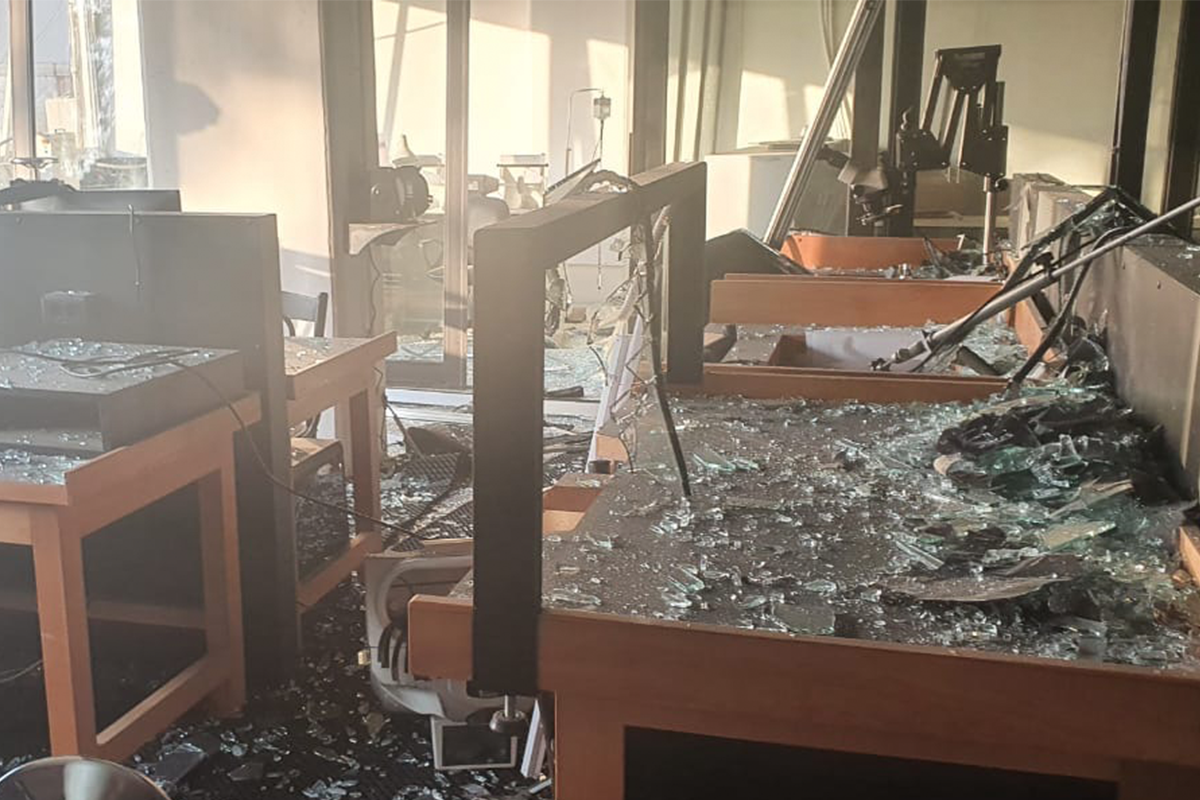

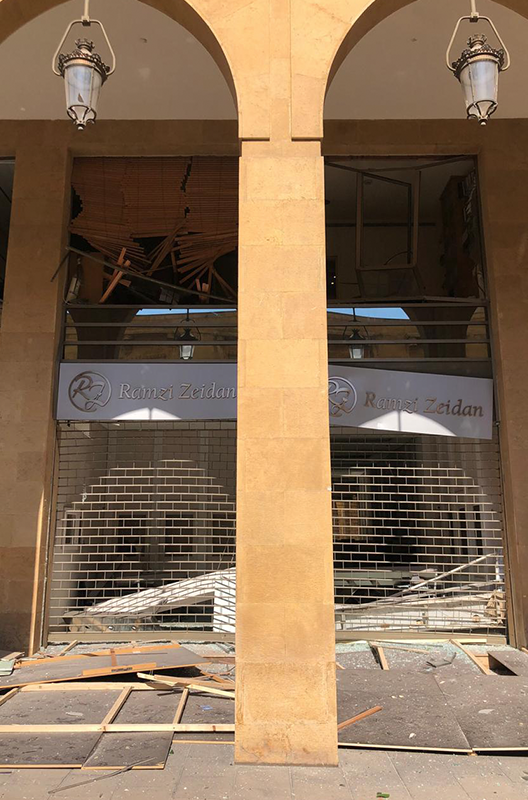
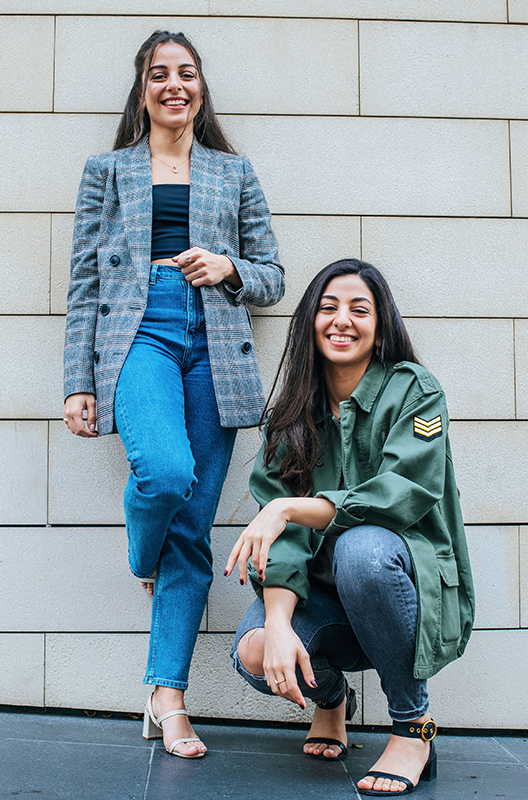
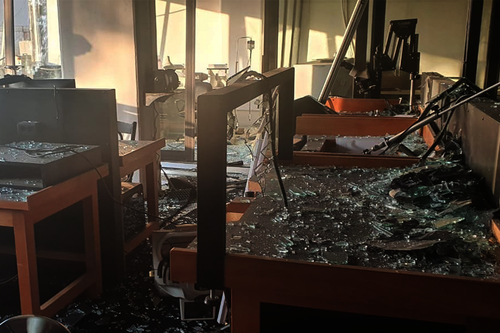
On August 4, 2020, a warehouse explosion on Beirut’s waterfront destroyed thousands of residences and businesses, plus left an estimated three hundred thousand people homeless. As it happened, Beirut-based NouvelleBox jewelry designers, Joanna Dahdah, Nada Ghazal and Rana and Karen Zeidan of ZED Jewelry all suffered terrible damage to their ateliers, offices, showrooms and homes. In Dahdah’s case, a close family member sustained serious injuries, but has recovered. Undeterred by catastrophe, all of these resilient designers immediately picked up the pieces of their shattered lives and rallied their respective artisans to triumphantly fulfill orders for autumn/winter 2020 – 2021.
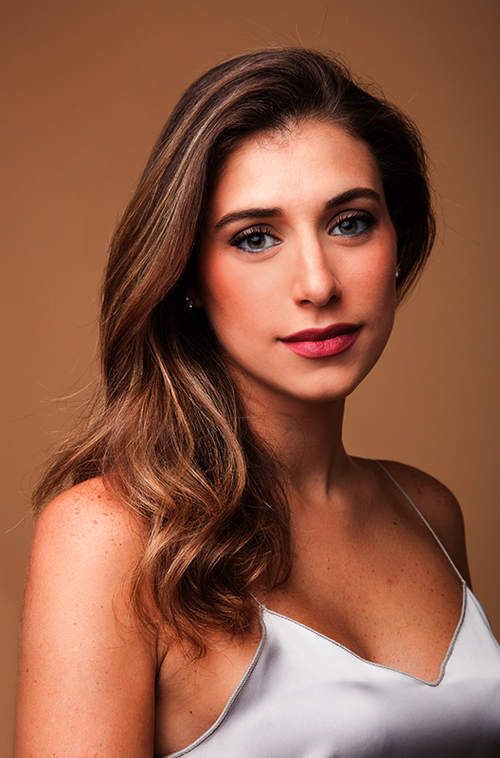
Their grace under pressure comes naturally, as each is a top-level designer and businesswoman with a dedicated team that has been producing jewels of alluring beauty and fine artisanship for many years. While Joanna Dahdah launched her eponymous brand in July 2010 and opened her Beirut flagship boutique five months later, Ghazal started her company under the name Nada G in 2004 and rebranded to Nada Ghazal Fine Jewelry in 2019.
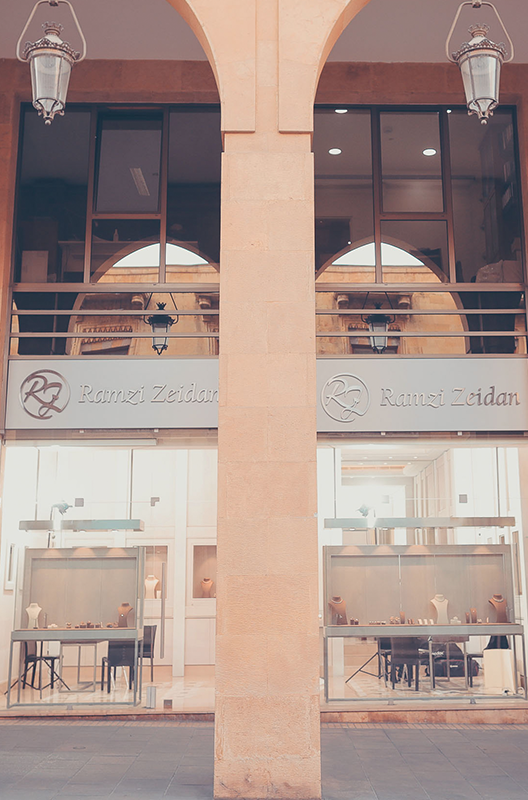
Sisters Rana and Karen Zeidan launched Zed Jewelry in 2014 and their family’s downtown Beirut jewelry boutique is called Ramzi Zeidan Jewellery. (They are third generation jewelers, continuing their grandfather’s and father’s traditions.) Their main aesthetic is contemporary geometric silhouettes, and they create using various jewelry making techniques, from traditional casting to more fluid wax carving. While they sell their jewelry online at RamziZeidanJewellery.com, they are also on a UAE based e-commerce platform called Kinzzi.com.
Dahdah’s flagship store in Beirut has been open since December 2010. While her creations retail at smart, design-driven luxury jewelry stores such as Mad Lords on rue saint-Honoré in Paris, her pieces sell far and wide. “In the U.S.,” Dahdah explains, “I am lucky to have my jewels carried at Ylang23 in Dallas, Gin and the Banker in Bellevue, Washington and in Texas at Kickpleat.” Nada Ghazal’s creations are available at Stella Flame Gallery in Sag Harbor, New York, Dover Street Market, London, Meridien Jewelers in Aspen, THAT Concept Store in Dubai, TWIST in Portland, Oregon and at twistonline.com, as well as at www.objetdemotion.com
The phoenix-like rise of these designers after August 2020 is all the more admirable given that Beirut, along with the rest of Lebanon, has been experiencing power shortages that often last 22 hours a day. This writer, who has been reporting on both Ghazal and Dahdah on Instagram @bijouxreview for years, caught up with this group of designers over email to find out how they are powering on successfully in the midst of hardships. The following is an edited version of our correspondence.
KYLE RODERICK: How did the August 2020 explosion immediately affect your business and home?
JOANNA DAHDAH: On the 4th of August at 6:07 p.m., my home, my business and my workshop all blew up. One of my family members was severely injured, but miraculously made it out alive. Luckily, my children and I were outside Beirut when the explosion occurred.
RANA AND KAREN ZEIDAN: During the August 4 blast, our boutique and offices were completely destroyed. Located in downtown Beirut, we are just a short distance from the port where the explosion took place. The entire surrounding area was completely devastated, leaving nothing but broken glass and debris. We found pieces and documents from our offices on the streets below. Our offices and showroom were left completely unrecognizable. Luckily, that day we had left the office at 3:00pm, just 3 hours before the blast took place. We are currently a team of seven. In addition to that, we have three artisans fabricating in our workshop. We recognize that we are extremely blessed despite the challenges we are facing. Having said that, simple day to day tasks are becoming extremely tedious and focusing on our work sometimes takes a back seat to waiting in line for gas or just waiting for the electricity to turn back on. We are also forced to deal with the reality of not being able to transact with our money as the economic crisis continues to worsen. Maintaining a good relationship with suppliers and purchasing raw materials for our production has not been easy.
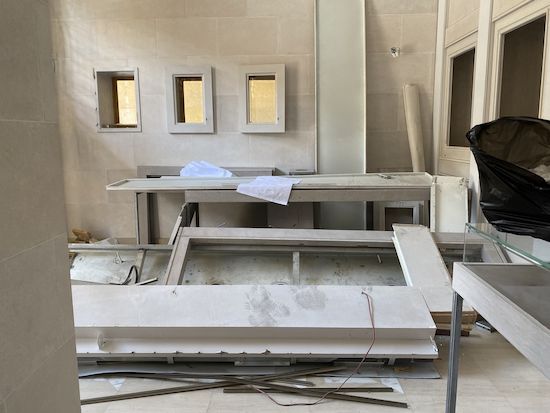
NADA GHAZAL: The events of August 4 destroyed our boutique, workshop, our offices and showroom, and one of our points of sale. Our home was also badly impacted. It took away many of our friends. Our loss though is insignificant in comparison to the many who lost their loved ones and had their worlds fall apart in a split second.
I was in our workshop located 500 meters from the port with three other members of the team when the explosion took place. One of our team members was injured in the blast but were lucky to survive considering the damage in our office. A part of my heart died that day.
We had to give up our flagship boutique, which is in downtown Beirut, an area that will need years to recover when and if the political and financial situations get resolved. Our point of sale in a department store was closed for two months while the place was renovated. Although our financial loss is unsurmountable, and 11 months later we still have not fully repaired our spaces, being alive is a blessing.
KYLE RODERICK: If your homes were affected, what actions did you take to re-organize your respective living situations?
JOANNA DAHDAH: I was three months pregnant at the time of the explosion and had to move back with my parents who thankfully live outside the city with my two eldest children. My husband had to stay in our broken-down home to care for our injured family member. We moved back to our apartment two months after the explosion.
NADA GHAZAL: Our house where my children were had major damage, and we had to evacuate the building for a couple of weeks until we started renovating, something that is ongoing till today. We are grateful that our children who were surrounded by shattered glass, aluminum and furniture were safe, although still very traumatized!
RANA AND KAREN ZEIDAN: Thankfully our home was not heavily affected by the blast. We patched things up very crudely until we could find someone to repair the damage as the demand for repairs was extremely high and other neighborhoods needed help much more urgently.
KYLE RODERICK: I can’t even begin to imagine the trauma you all are still experiencing. I deeply hope that your children and Joanna’s children are feeling better about life these days. What actions did you have to take to get your business up and running again? How many weeks/months were regular business operations paused before you were back to work at full capacity?
RANA AND KAREN ZEIDAN: It took one month for our workshop to be up and running again as it was also damaged and some workers had minor physical injuries. All work was halted during that time. We spent the week following the blast picking up what we could salvage from the shop and moved all computers, files and working tools to our home so we could operate while we figured out our next steps.
NADA GHAZAL: As we had international orders to deliver in August and September 2020, we had to set up a makeshift space to be able to deliver while our offices were being repaired to regain their functionality, if not their aesthetic feel. This of course imposed more financial strain, specially that up till date we have had no compensation from the government, and insurance companies are still trying to avoid paying. As for our points of sales, we were only able to open one point of sale two months later and had to give up the rest.
Although we knew that it was not time to sell locally, we needed to make it a point that we were here to stay. We now operate in one point of sale and have rebuilt our atelier and office, which also serves as a private showroom. We are highly focused on our international points of sale and presence abroad to make up for what we lost in Beirut.
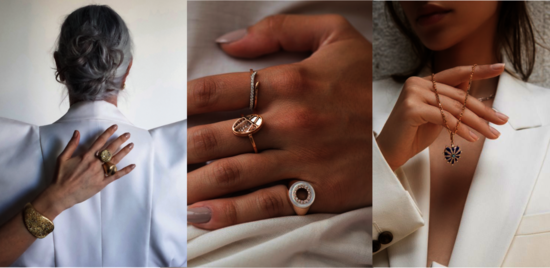
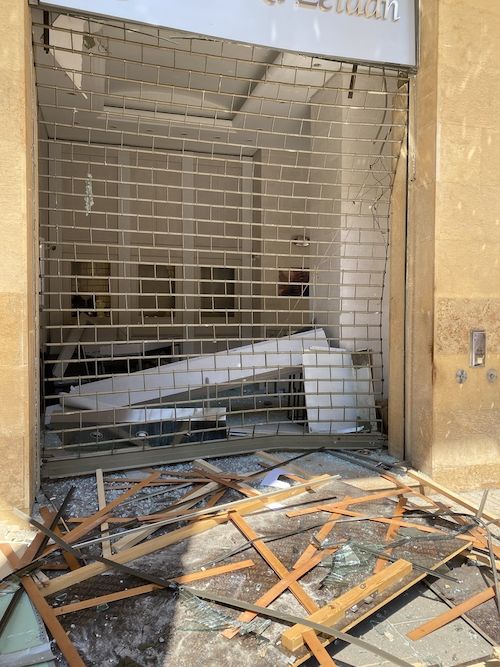
JOANNA DAHDAH: We had to pick up the pieces at the workshop and resume operations during the same week as I had to deliver orders for my retail partners in the US and could not be late. I had no choice but to keep going. I employ 10 full time and part-time artisans in my workshop. I mix traditional jewelry making techniques with newer technologies such as 3D printing to produce my pieces. It took about a month for my store to reopen. Our front window completely blew up and destroyed pretty much everything inside the store.
As we had international orders to deliver in August and September 2020, we had to set up a makeshift space to be able to deliver while our offices were being repaired to regain their functionality, if not their aesthetic feel. This of course imposed more financial strain, specially that up till date we have had no compensation from the government, and insurance companies are still trying to avoid paying.
Regarding our points of sales, we were only able to open one point of sale two months later and had to give up the rest. Although we knew that it was not time to sell locally, we needed to make it a point that we were here to stay.
KYLE RODERICK: How are Lebanon's ongoing power outages affecting your ability to design, fabricate and export your jewelry?
NADA GHAZAL: We have always had power shortages in Lebanon due to corruption, and we have compensated by using generators. As the corruption grew, however, and electric generator cartels increased, power cuts lengthened to 22 hours per day. We now also have fuel shortages due to fuel smuggling, which means even our generators cannot be running all the time. We are now working on accessing additional power through UPS chargeable batteries to help us maintain our production process on time.
This shortage effects our entire value chain, from suppliers to government offices. Services are slower, and we need to be extremely efficient to stay ahead of the game.
JOANNA DAHDAH: The electricity cuts have been nothing short of a nightmare. We now have three different subscriptions with private electricity suppliers to be able to have normal working days at the workshop.
RANA AND KAREN ZEIDAN: The electricity cuts we are facing today have definitely affected our productivity especially at the workshop, but we are trying our best to work around them. We are constantly worried about our equipment and machinery being damaged by the frequent power cuts. This has also taken a toll on us emotionally. Constantly having to worry about the coming hours and days and planning our next moves according to changing electricity schedules has been extremely draining.
KYLE RODERICK: When did you sign on to the NouvelleBox platform, and why did you sign up for it? How are you using this platform to your advantage?
JOANNA DAHDAH: Joining NouvelleBox was a no-brainer. It's an innovative platform that gave us access to retailers around the world at a time where the whole world was shut down because of Covid. Being picked by jewelry gurus like Darren and Valerie also gave my brand credibility. It is an amazing way to reach out to some of the biggest and most important retailers, stylists and others in the jewelry industry. My aim is to grow my brand worldwide. I am very thrilled to now have multiple retail partners around the world. Half of which contacted me through NouvelleBox. I believe that Darren and Valerie’s understanding of the jewelry business as well as it’s catered approach to both designers and stores is straight-to-the-point, smart and unique.
RANA AND KAREN ZEIDAN: We signed on to NouvelleBox in May, 2021. After Covid, and especially after the blast, we recognized that the best way to move forward was to make new connections in the industry and channel our energy into e-commerce and digitally marketing our brand. Being able to meet and communicate with buyers, retailers and other jewelry industry professionals remotely is a huge asset to us at a time when travel has become so difficult. In the coming years, we hope to introduce Zed to new audiences and look forward to the design journey that it will take us on. NouvelleBox has positioned us among the top jewelry professionals around the world. This platform has allowed us to initiate conversations and discuss opportunities for growth.
NADA GHAZAL: We signed with NouvelleBox since the start because we believe in the vision it carries, we also very much believe in the team who aspire to work strategically on long term basis rather than short term basis which is what we are looking for with our partners. I would like for Nada Ghazal Fine Jewelry to be well-regarded in the jewelry industry internationally and chosen for its craftsmanship, authenticity and timelessness. I believe that NouvelleBox is strategically set to help us achieve this through the right exposure and the right advice, and the right partnerships.
KYLE RODERICK: What are your greatest wishes for Lebanon?
RANA AND KAREN ZEIDAN: Our greatest wish for Lebanon is for its leaders to allow it to thrive. There is so much potential in this tiny country but unfortunately, it is being masked by endless corruption and greed. Lebanon is going through a very difficult time with no end in sight. As young business owners, we are just getting started and there are so many opportunities we want to take advantage of. The obstacles we are facing in Lebanon today are out of our hands and we definitely recognize the limitations of staying here for the time being. Having said that, we still see so much potential and beauty in Lebanon and we will continue to support extremely talented local artisans by manufacturing our jewelry locally and maintaining a strong foothold for our business.
NADA GHAZAL: For Lebanon, I wish peace, sovereignty and prosperity, which can only be achieved through the unity of its people.
JOANNA DAHDAH: Lebanon is truly the most beautiful country in the world. I wish for it to find stability and prosperity again.
KYLE RODERICK: Thank you all for your time, consideration and stories. May you all continue to triumph over adversity and grow your brands internationally through NouvelleBox and other entities.
Contributors
 Kyle Roderick
Founder / Editor-in-Chief at BIJOUXreview.com+ MORE FROM Kyle Nada Ghazal