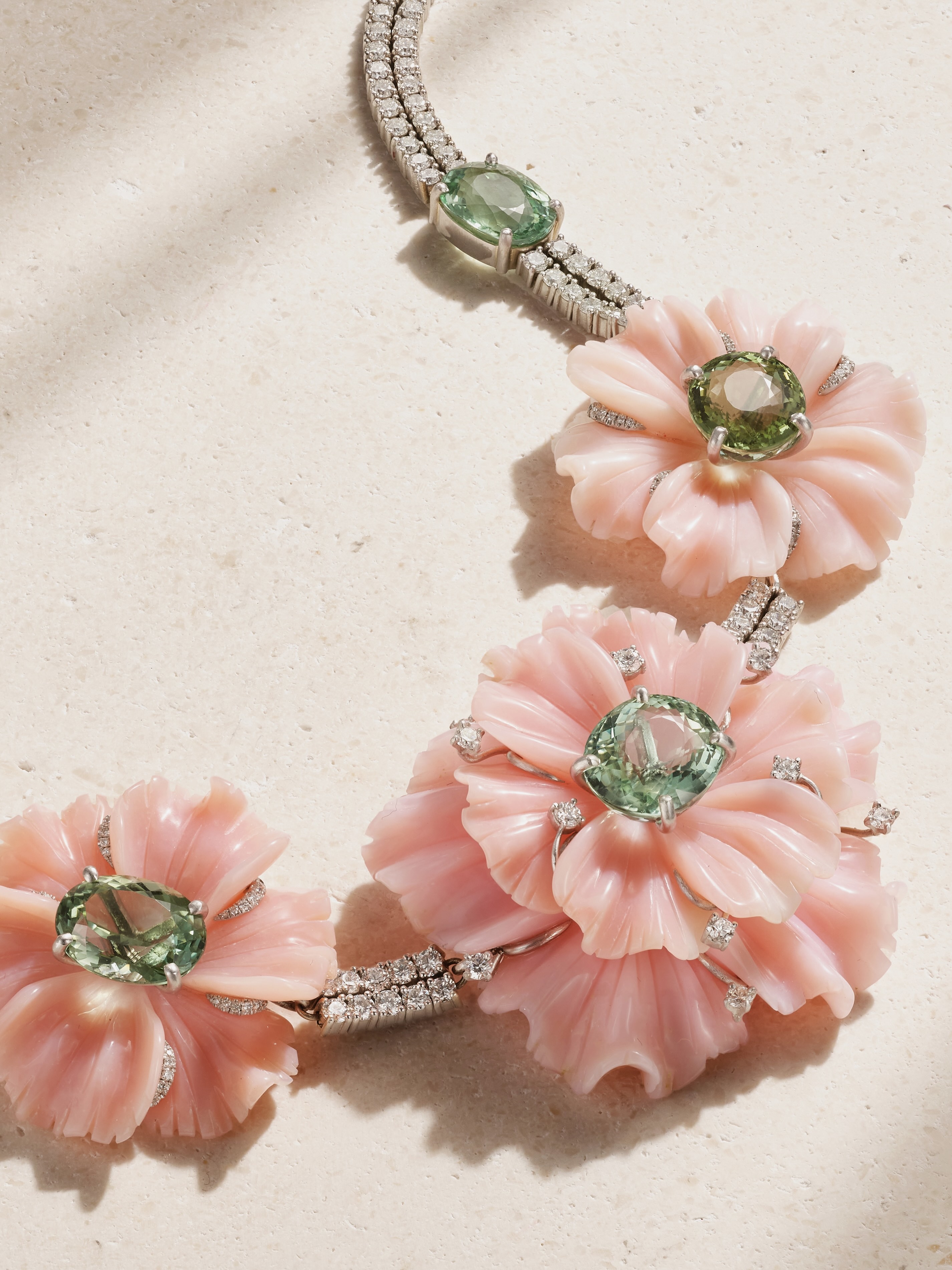
With the rise of AI-generated imagery and increasingly advanced editing tools, how do you see the role of a trained photographer evolving, particularly in a field as precise as jewellery?
Those tools can be useful, and in many ways they build on processes that have already been part of post-production for some time.
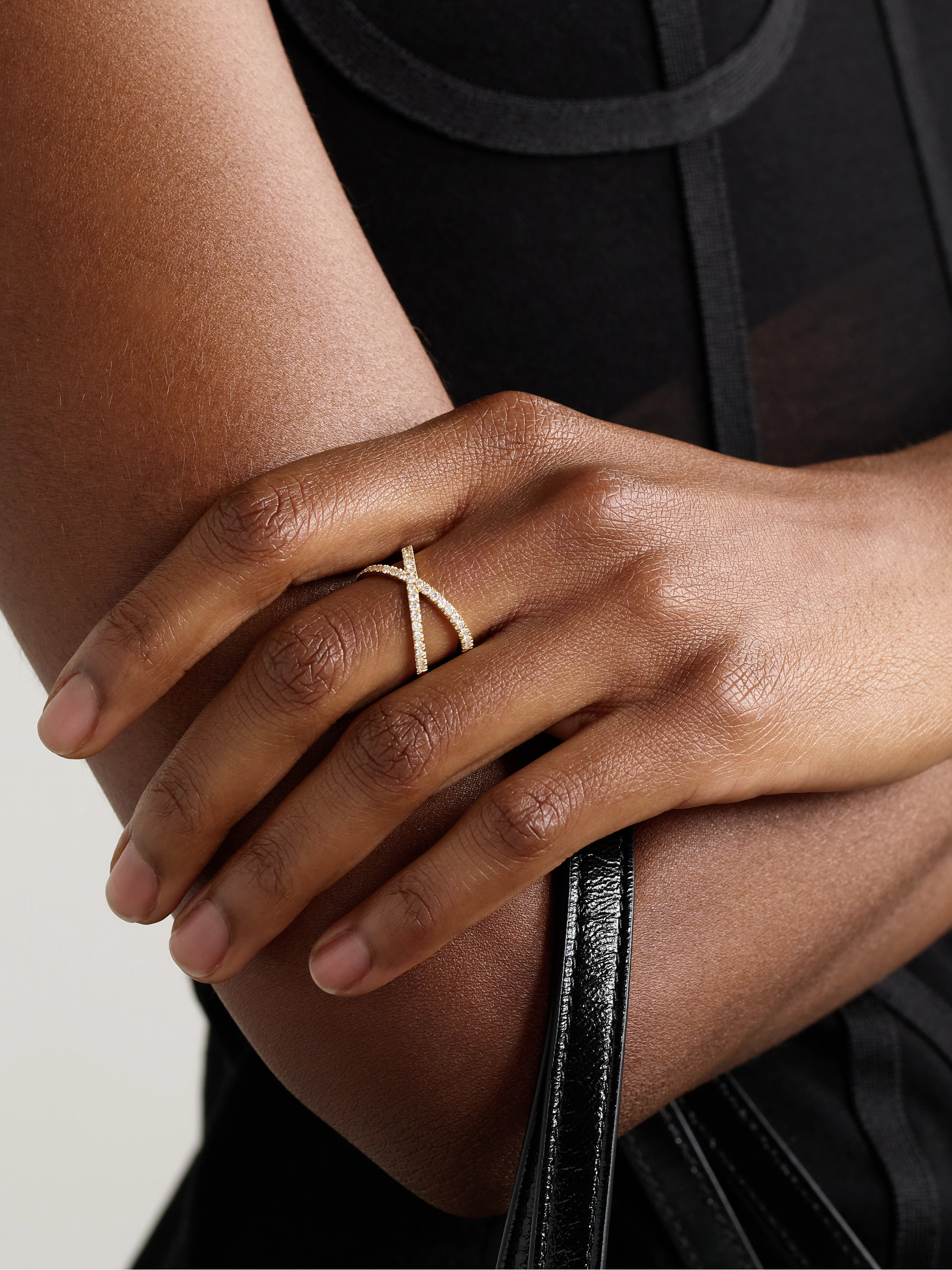
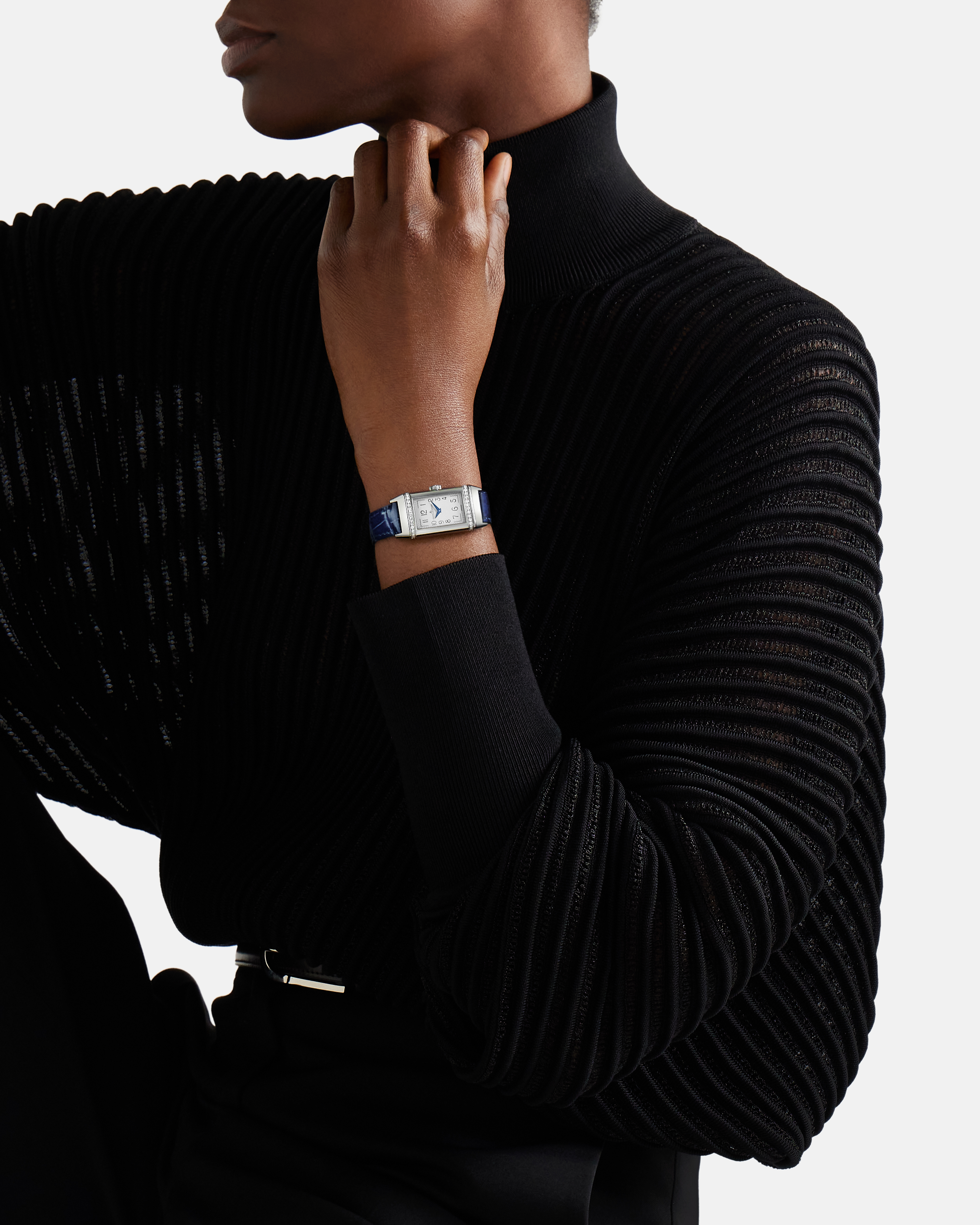
What doesn't change is the nature of the subject. Jewellery is often one-of-a-kind. The specific character of a stone, the way it handles light, the finish of the metal, these are what define the piece. They need to be observed and captured as they are.
The role shifts more towards judgement. It's about deciding how far to take an image without losing the integrity of the piece, and making controlled decisions around light to support that.
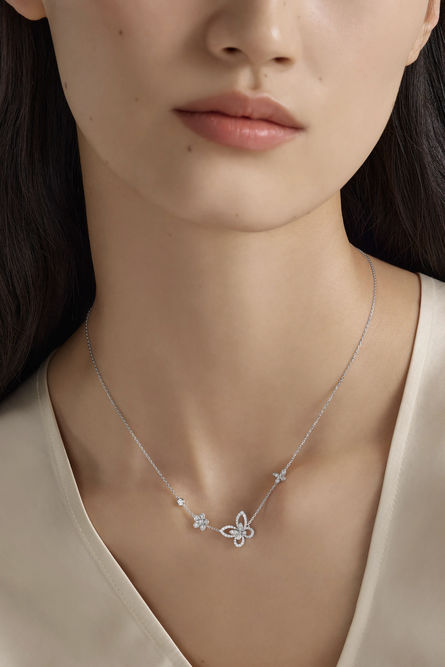
How did you come to specialise in jewellery photography, and what shaped your approach early on?
I fell into jewellery photography while working at Net-a-Porter, and was drawn to it quite quickly. It's a medium where there's very little room for approximation. That level of attention really suited the way I like to work.
Before moving into photography, I studied architecture in New Zealand, and the connection became obvious early on. You're trained to think in terms of form, proportion and how light reveals an object. Jewellery demands that same approach, just at a much smaller scale. Once that clicked, I was hooked.
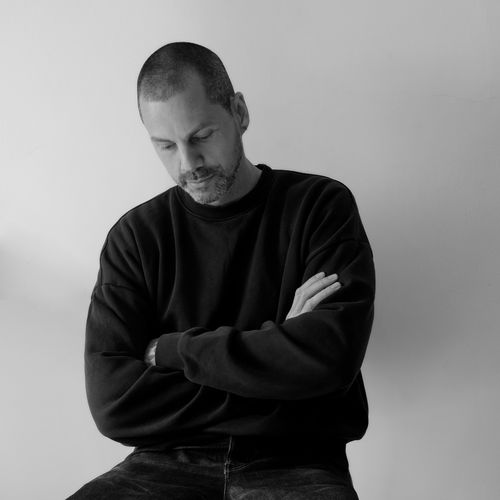
Were there any photographers, artists, or disciplines outside of photography that influenced how you see and work with light?
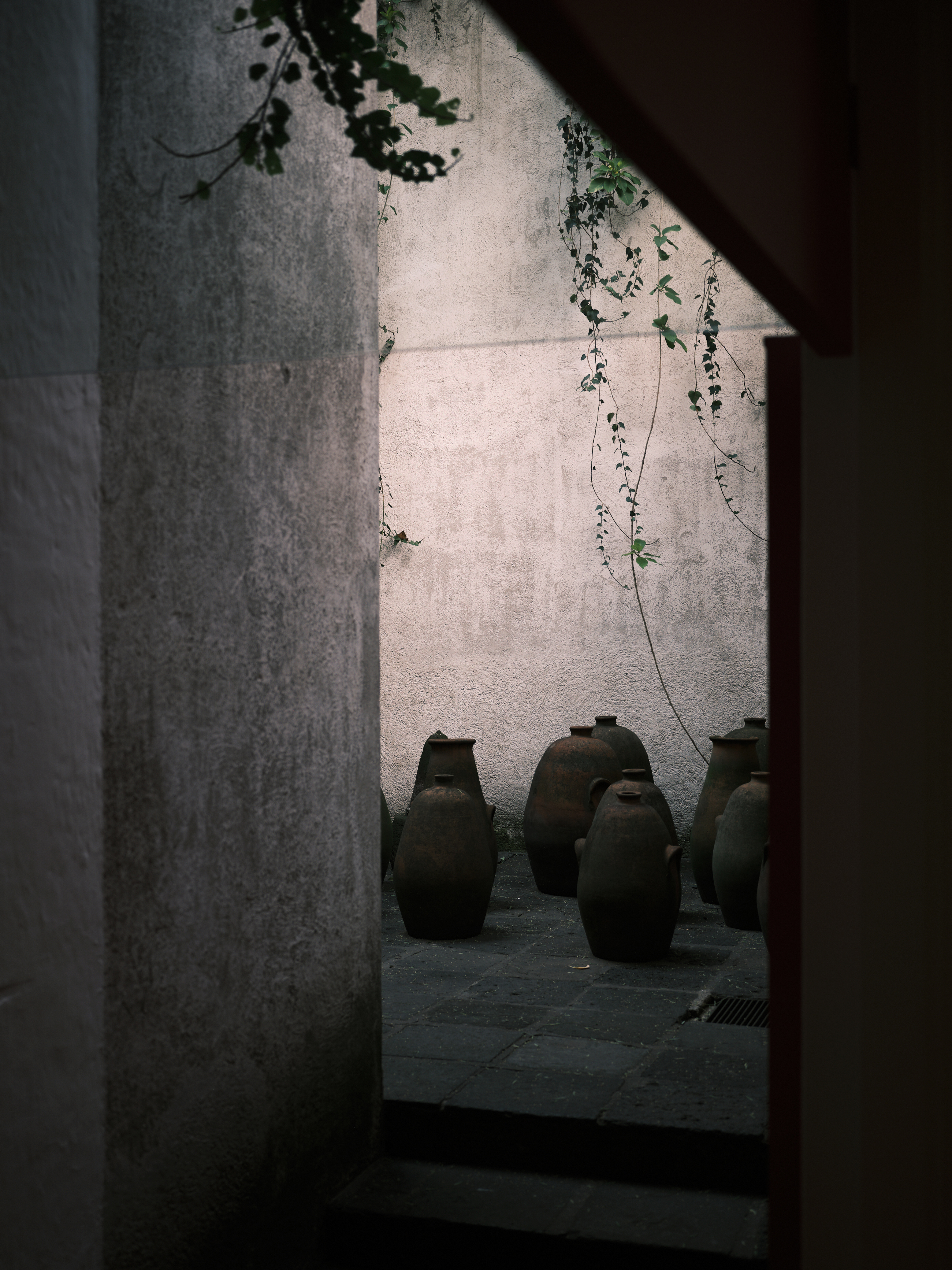
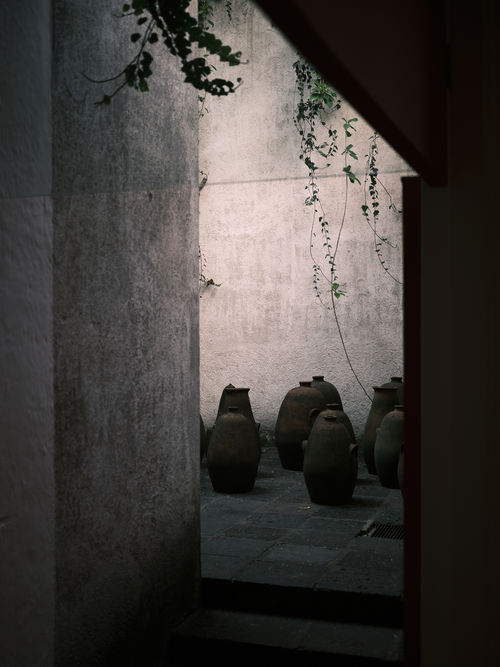
Architecture has had the biggest influence on how I work. It gives you a way of thinking about how light defines an object and how it moves across surfaces. Architects like Luis Barragán reinforced that way of thinking early on.
That carries directly into my approach to photography. Understanding how light behaves, and being able to control it precisely, has a huge impact on how a piece is read. That's where most of my focus sits, and it's what tends to set the work apart.
What's the biggest challenge when working with gemstones and polished metals?
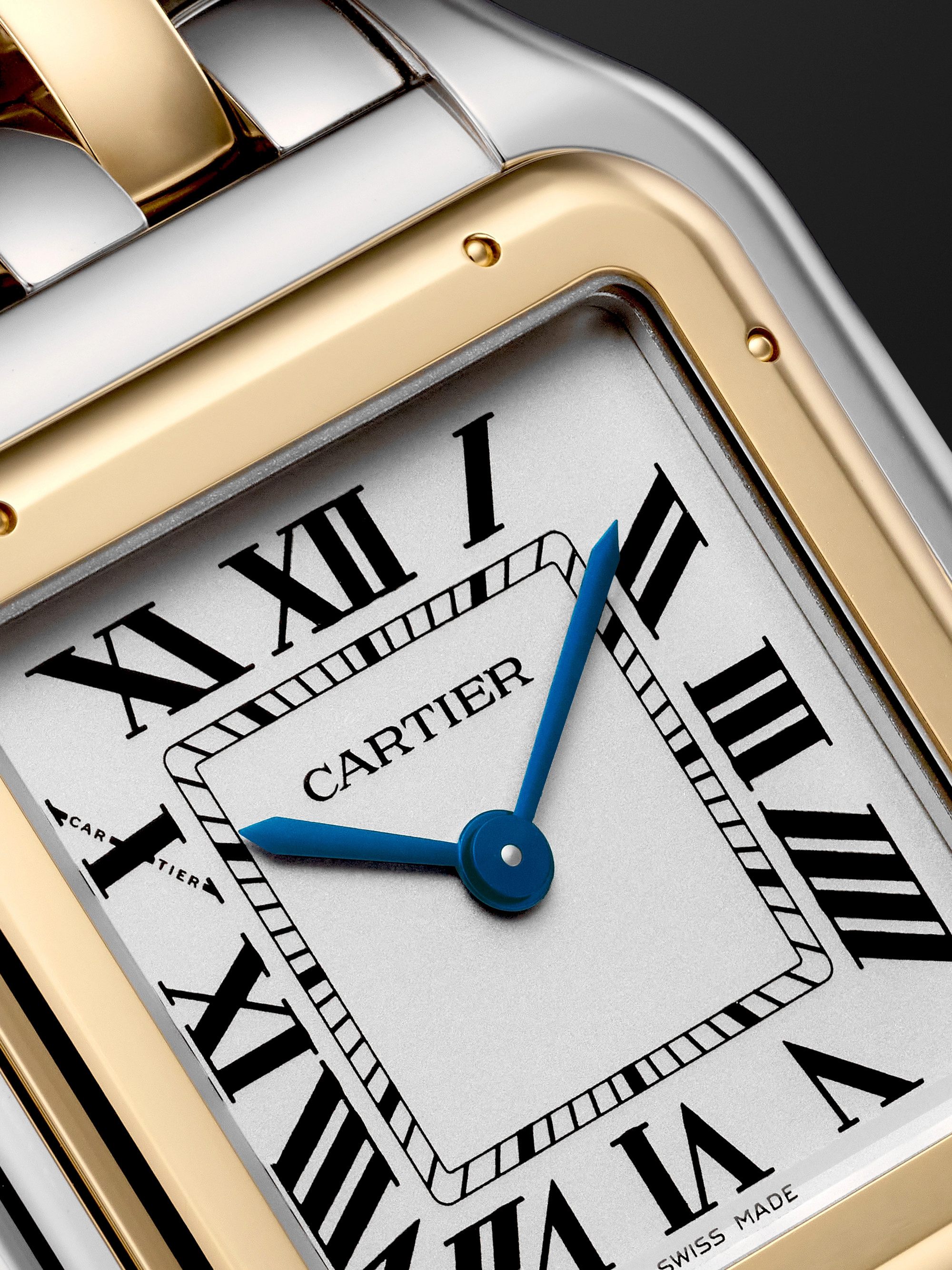
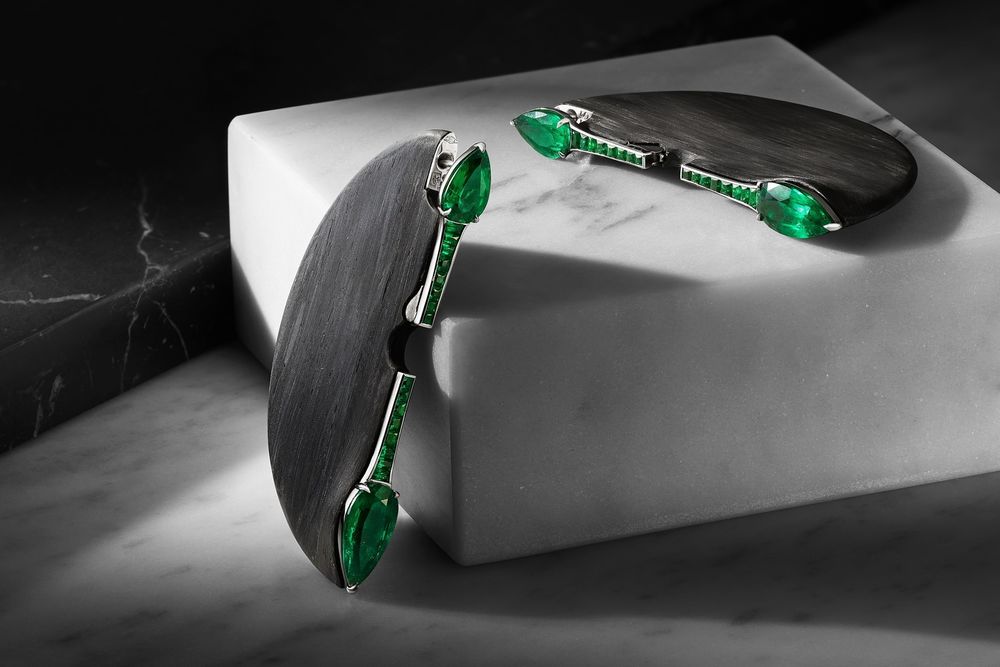
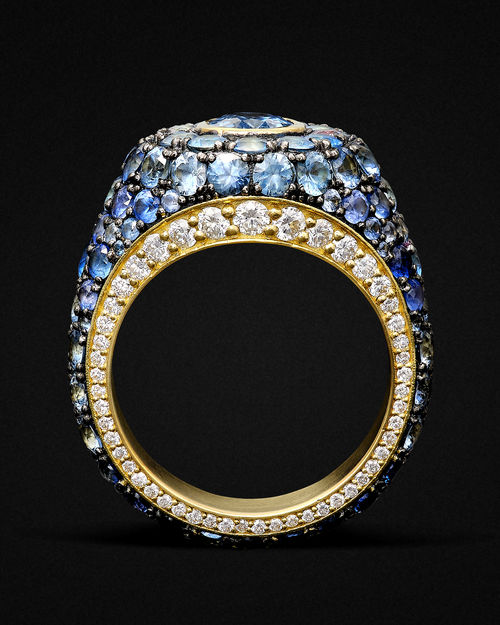
Gemstones and polished metals respond to light in completely different ways, so you're often balancing two approaches within the same piece. You're shaping clean, considered reflections in the metal, while maintaining clarity and micro-contrast within the stones. When it works, it looks simple, but the process is anything but.
How do you approach capturing the individuality of a piece of fine jewellery?
It starts with understanding the intention behind the design. You see that in the form, and in how the piece responds to light. The lighting is then built around that, rather than imposing a fixed look. It also needs to sit naturally within the brand's visual language, so both are considered together.
How much of your process is pre-visualised versus discovered through experimentation on set?
I like to have the direction defined before I start, what the image needs to communicate, how it should feel, and how it sits within the brand.
With experience, you can usually anticipate how a piece might respond to light, but it often shifts once it's actually in front of the camera. From there, it becomes a process of refinement, making small, deliberate and considered adjustments. That's also where the more creative side comes in, and it's a part of the process I really enjoy.
What makes a collaboration with a jewellery brand truly work from your perspective?
A strong collaboration comes down to a shared understanding of what the image needs to do.
In some cases, the direction is very clearly defined and the role is to execute that precisely. In others, the brief is more open and there's more room to interpret and shape the image.
In both situations, that alignment and trust are what make the work successful. The brand brings the intent and identity of the piece, and the photographer translates that into something visual.
How do you see platforms like NouvelleBox opening up new opportunities for photographers working within niche, high-precision fields like jewellery?
In more specialised fields, the fit matters as much as the work itself.
A lot of photographers shoot jewellery, but fewer focus on it as a discipline. It's a very specific type of work, and platforms like NouvelleBox make it easier for brands to find photographers whose experience aligns with those demands, rather than filtering through a much broader pool.
At the same time, that level of curation gives photographers a clearer sense of the kind of work they're being put forward for. A lot of this usually sits behind the scenes, so having something that brings that matching process into a more focused and intentional space is genuinely useful.
What defines a strong jewellery image for you — and what do brands often overlook?
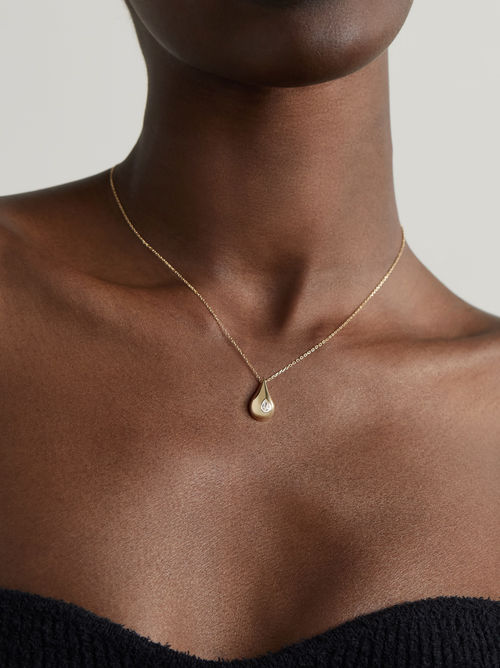
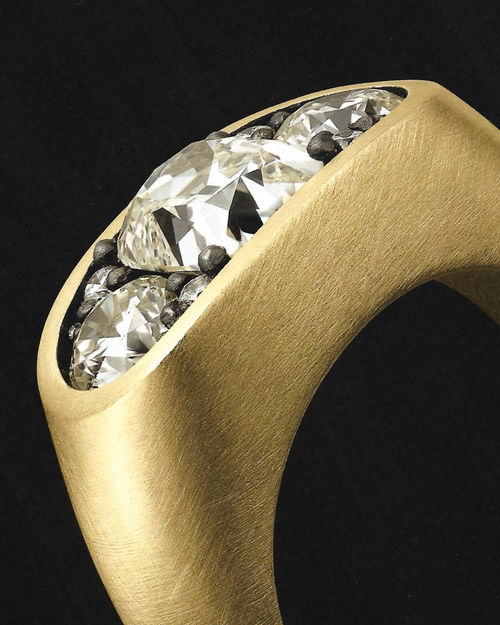
Clarity and balance. Every highlight and reflection needs to feel intentional. The image should clearly communicate the piece, its form, materials, and quality, and let the jewellery speak for itself, with nothing unnecessary or distracting.
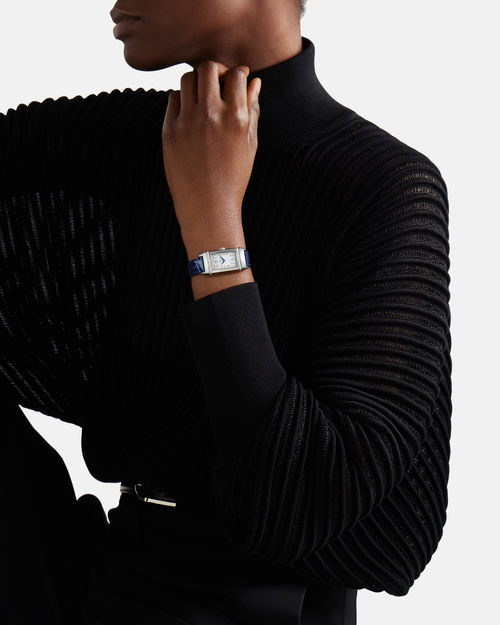
Consistency is often what gets overlooked. A single image can work on its own, but across a collection, even small differences in lighting or finish become obvious. With jewellery, that consistency reinforces quality and builds trust in the product.
Contributors
 Alan Pringle
Photographer